
Job seekers experience major difficulties with the problem of ghost jobs which exist as fake job vacancies. The career page of a company shows many open positions but most of its job advertisements will never result in actual hiring. Companies create these fictitious job advertisements because they want to change public perception of their business while collecting information and keeping their staff members from finding work elsewhere.
Projecting Constant Growth

The high volume of job postings which a company maintains enables it to create the appearance of rapid business expansion before its investors and competitors. The company creates an impression of strong financial performance and market leadership while its actual situation involves a hiring pause and internal problems.
Building a Talent Pipeline

Companies post job openings to build a collection of resumes which they will use to select candidates for future openings. The system of passive sourcing enables organizations to maintain a ready-to-use database of qualified candidates who will be immediately available once actual job vacancies occur, thereby streamlining their recruitment process and decreasing their hiring expenses.
Appeasing Overworked Employees

Management uses ghost job postings as a solution to hire new workers when their current team struggles with burnout. The existing workforce receives information about upcoming assistance which will arrive although the company has no plans to recruit additional staff members.
Fulfilling Internal Policy Requirements
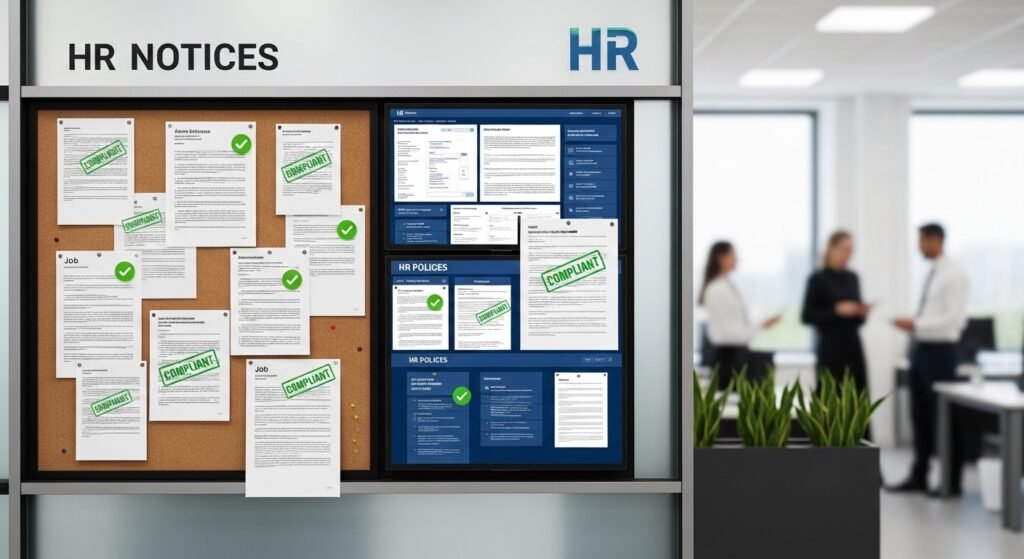
The corporate and government regulations require public job postings to be maintained for a specific duration when a supervisor selects a candidate from inside the organization. The public listing creates a ghost position which prevents any outside applicant from ever receiving a chance to apply.
Collecting Valuable Consumer Data

Resumes contain multiple types of personal data which include telephone numbers and email addresses and residential information. Some unethical organizations and third-party recruiters create fake job openings to obtain this personal data which they then sell to lead generation companies and use for marketing purposes.
Boosting Social Media Engagement

Job postings on professional networks receive high levels of user engagement because they generate multiple clicks and sharing activities. Companies utilize their job advertisements to increase LinkedIn traffic and company website visitors, which results in better social authority and search engine results, but this benefits their business at the expense of job applicants.
Keeping Recruiters Busy

The HR departments and recruiters of big companies need to demonstrate their value to the organization. Their team members can demonstrate their work status through the management of ongoing job vacancy processes, which include the assessment of candidates who have applied for non-existent positions.
Discouraging Competitors

A competitor will observe that a company operates many technical positions because this indicates the company prepares to release new products or enter new markets. The method of strategic noise forces competitors to waste their resources on defensive actions against non-existent business activities.
Automated “Evergreen” Listings

Numerous companies operate scheduling software which automatically refreshes their job advertisements every 30 days. The ghost listing will remain active until the hiring manager disables the system after filling the position, which creates a daily false impression to new applicants.
Lowering Future Salary Offers

The company realizes it can decrease its future salary expenses because it receives applications from highly qualified candidates who apply for fake entry-level positions. The company uses ghost listings to measure labor market demand at specific points in time.
