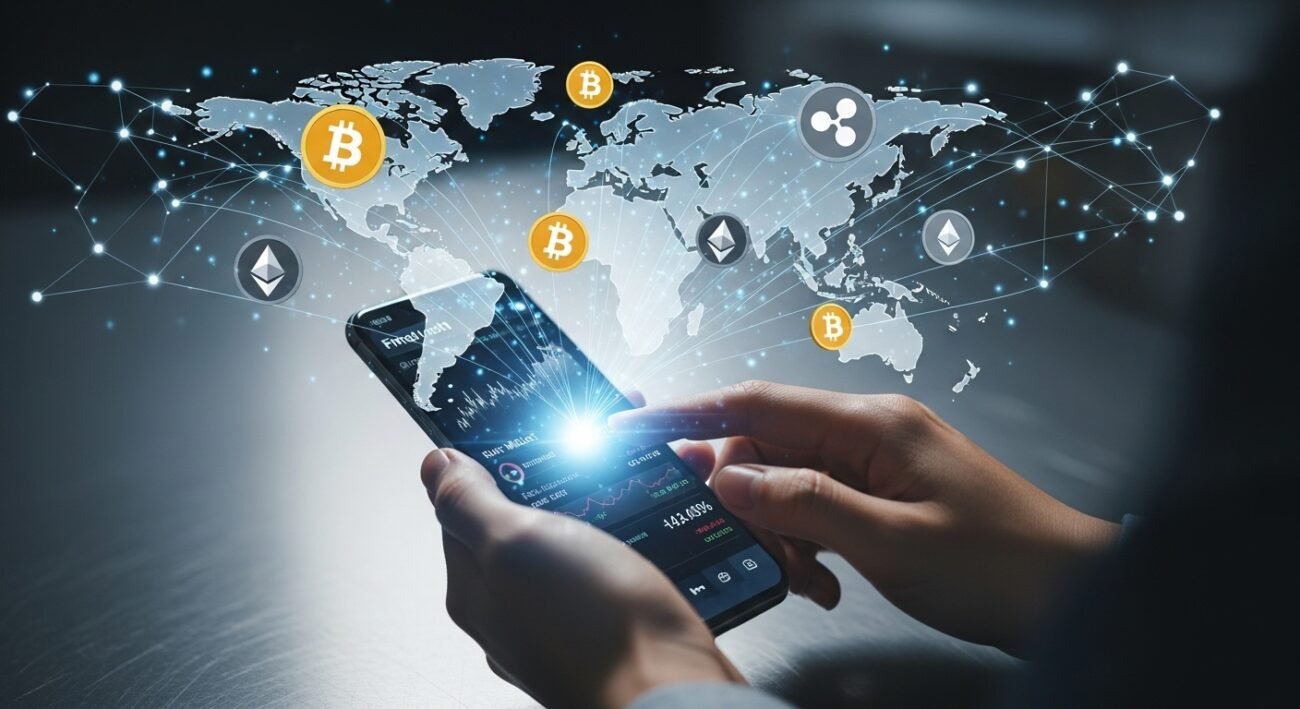
The modern monetary system is experiencing a complete transformation because people are moving away from using physical money. Digital currencies, which include both government-backed tokens and decentralized assets, changing the way people handle their money and view different things of value. The new system enables easier access to financial services which alters the entire structure of worldwide monetary systems.
Faster Transactions
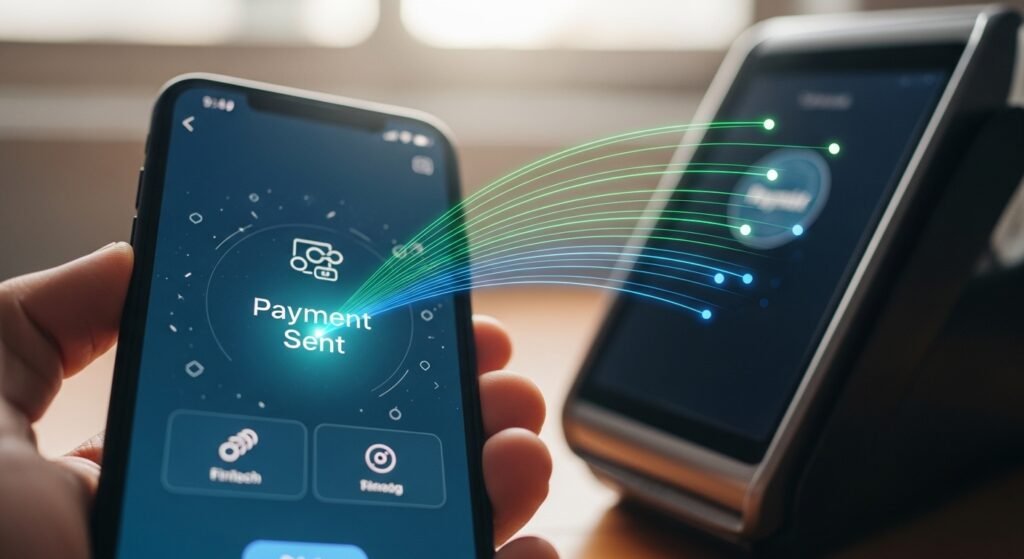
Those who use digital currencies can make payments through the internet which enables them to send money almost instantly. Digital currency provides 24/7 service because it processes transactions at all times while traditional bank transfers need several days before completing their transactions.
Lower Fees
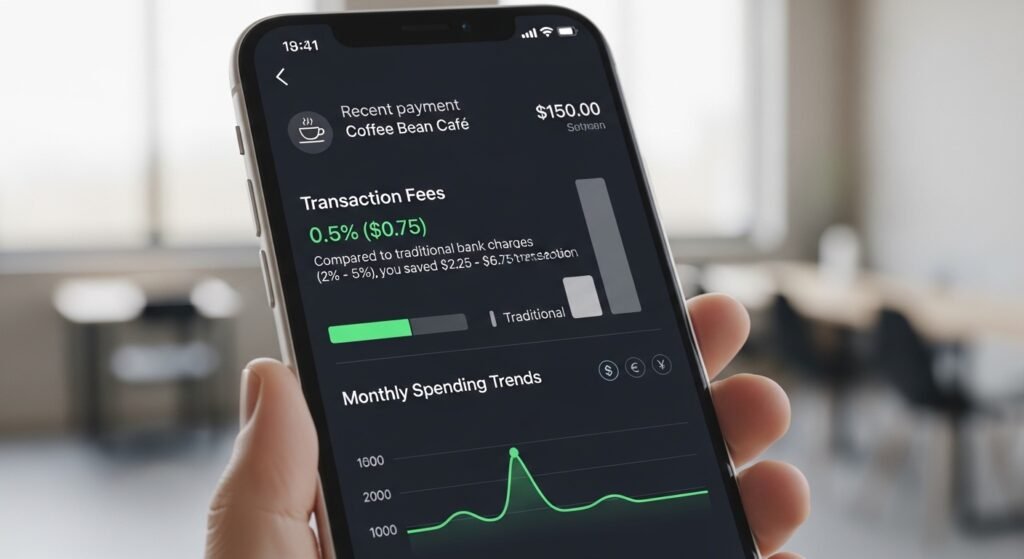
Digital currency enables organizations to transfer funds at lower expenses because it removes the need for middleman institutions which includes clearinghouses. The service lets users send funds abroad because it bypasses expensive international transaction fees and avoids additional costs associated with currency conversion.
Financial Inclusion

Digital currency provides a banking solution for people who lack access to traditional banks yet possess a smartphone. The unbanked population can now use digital currency to join the worldwide economic system because they need neither physical banking services nor traditional banking services to store their assets and pay bills.
Enhanced Security

Digital currencies employ sophisticated cryptographic techniques which keep their transactions safe from bothFraud and Counterfeiting attacks. The secure ledger system protects all financial transactions through its record-keeping process which prevents hackers from tampering with information and people from using funds they have not acquired.
Programmable Money

The future of digital currencies will include smart currency functions which enable users to set conditions for fund distribution. The system can handle financial transactions through its automatic payment system which functions as a reliable contract execution method.
Greater Transparency

Public and shared ledgers which digital currencies use let users track financial transactions through their entire process. The permanent digital paper trail established by transparency makes it difficult for criminals to engage in financial crimes such as tax evasion and money laundering.
Improved Cross-Border Trade

Digital currency enables users to send money across international borders without any restrictions which allows them to send money to people who live thousands of miles away just like they would send money to neighbors. Small businesses that previously faced difficulties with international banking requirements now benefit from simpler international trade processes through digital currency.
Reduction in Physical Infrastructure
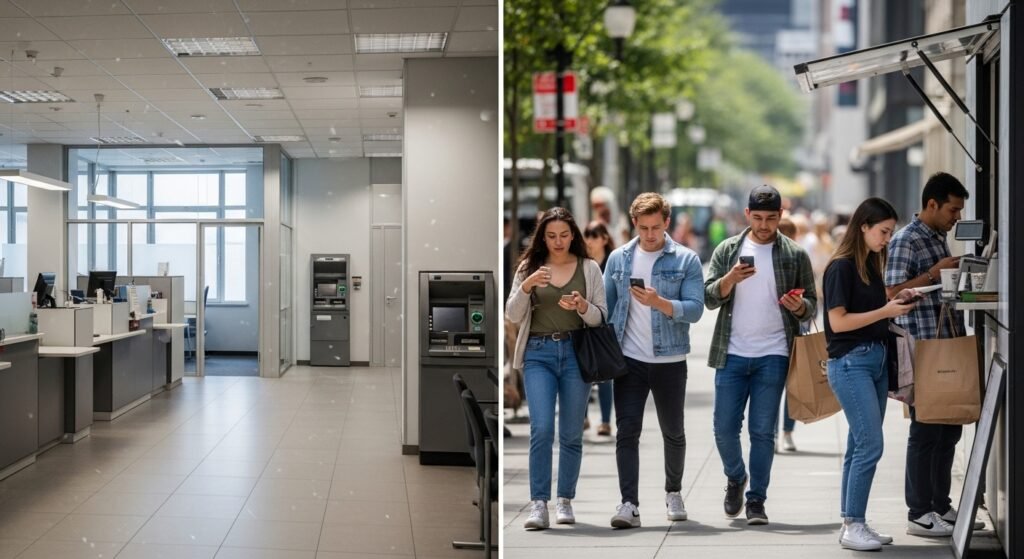
Physical bank branches and ATMs plus cash transport vehicles will see decreased need because people start using digital currency as their primary payment method. The operational expenses and carbon emissions which organizations need to manage physical currency systems will decrease through this measure.
Direct Government Support
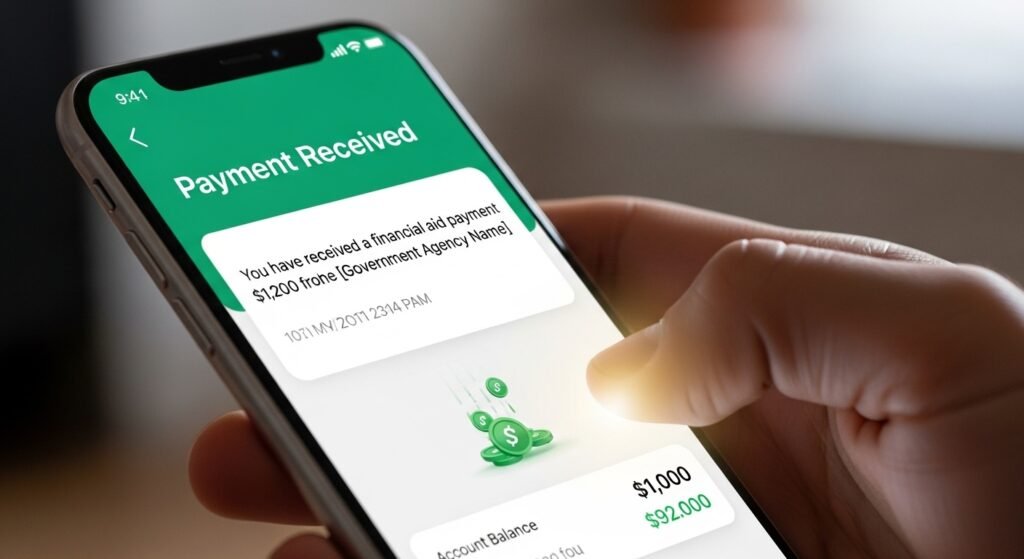
Central Bank Digital Currencies (CBDCs) enable governments to transfer funds directly to citizens through their digital wallets for financial assistance programs which remove the need for traditional check delivery systems. The system enables emergency responders to deliver aid to affected individuals because it eliminates the need for people to wait until checks arrive through postal delivery.
Real-Time Auditing

Government agencies and businesses can monitor their financial status throughout the day because they no longer depend on monthly financial reports. The organization uses its immediate data system to improve budgeting processes while producing precise economic forecasts which minimize financial crisis occurrences.
