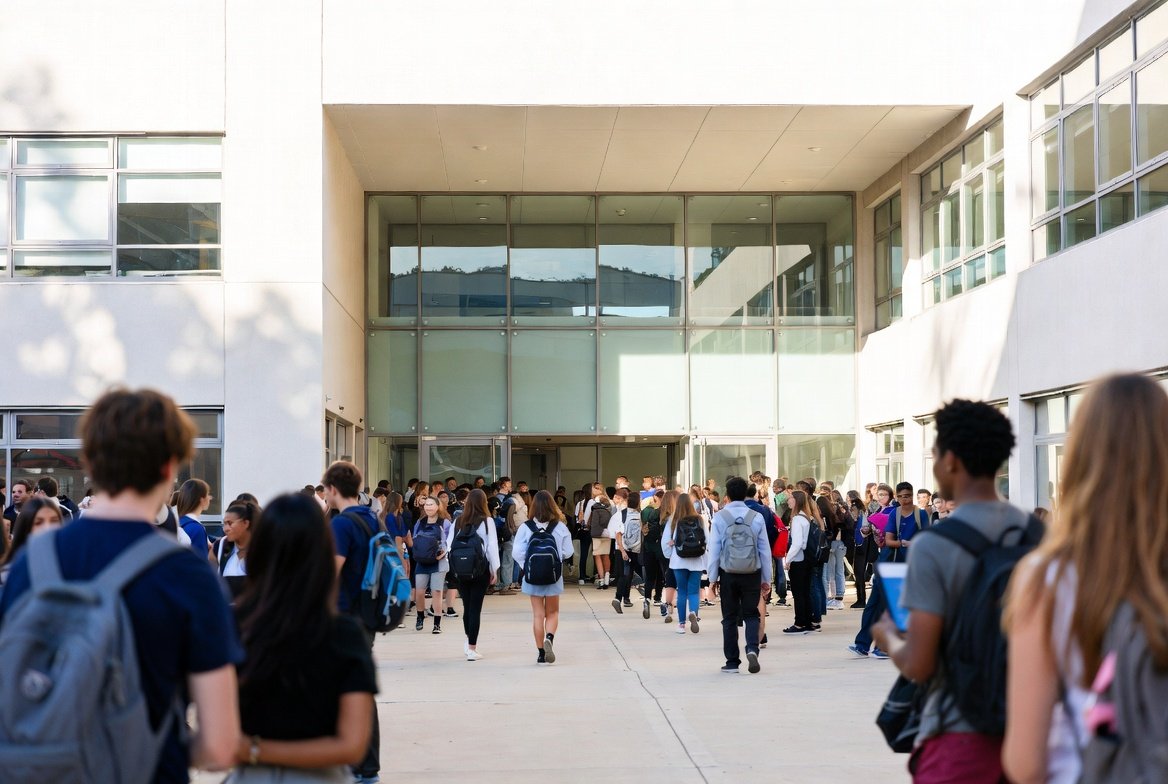
The public education system needs an entire educational system transformation because school districts have begun using new technologies to fulfill present-day social demands. Educational institutions have chosen to adopt modern technological systems which enable students to experience customized learning pathways instead of using their prior factory-style education system. The educational system now needs new learning materials because students must acquire future workplace skills while parents and educators are becoming more worried about mental health and safety concerns.
Artificial Intelligence in the Classroom

Many educational institutions now teach students responsible AI usage instead of implementing AI bans. Teachers design customized teaching materials with the help of AI tools and students learn to handle AI tutors which present math problem solutions through progressive descriptions instead of providing immediate answers.
The Four-Day School Week
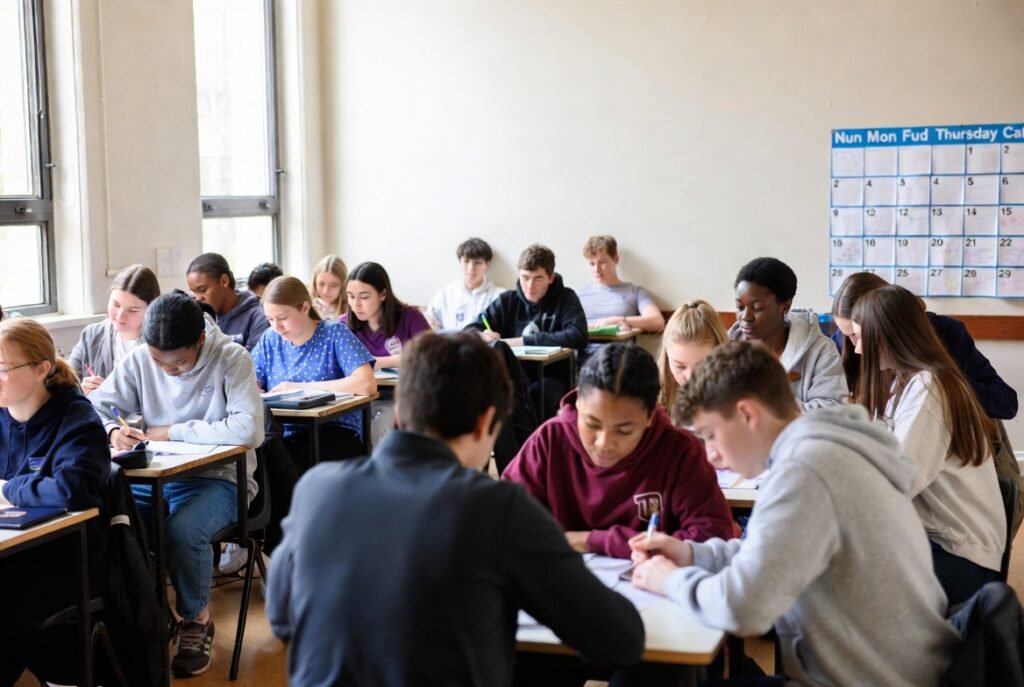
School districts adopt four-day schedules to achieve two main goals which include reducing teacher fatigue and decreasing operational costs. The academic week requires students to study more extended periods from Monday through Thursday, while Friday serves as a period for teacher development and student academic assistance and personal academic work.
Vocational Training Revival
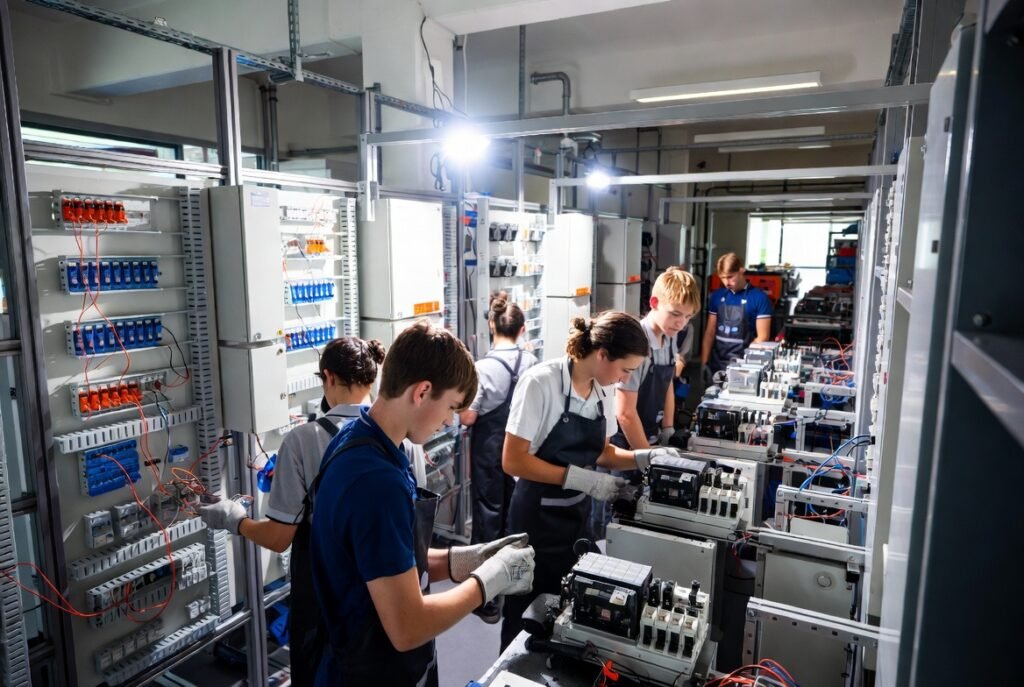
The educational system currently experiences strong support for practical learning methods. High schools are rebuilding their shop classes and technical wings to offer certifications in plumbing, electrical work, and cybersecurity. The program allows students to obtain high-paying vocational skills for their profession instead of requiring them to attend a four-year college.
Phone-Free Zones
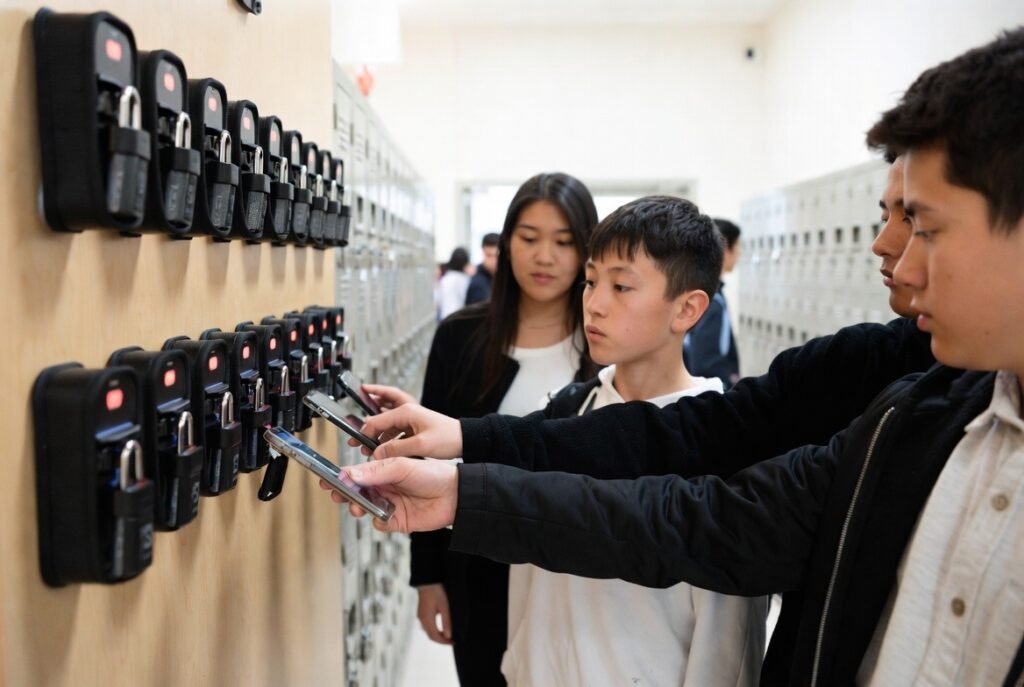
Schools across various districts now enforce complete bans which prohibit students from using smartphones during all school activities. Students must put their mobile devices into secure pouches which use magnetic locks according to school requirements. The new regulation aims to minimize social media interruptions while preventing bullying and promoting direct student interactions during meal breaks and recess times.
Enhanced Mental Health Support

The educational system expands its counseling staff by hiring more full-time counselors and establishing dedicated spaces known as “calm-down rooms.” Students can use these special areas which offer ten minutes of time for practicing breathing techniques or discussing their feelings with a therapist as they experience overwhelming stress, so the school treats mental health with equal importance to physical health.
Financial Literacy Requirements
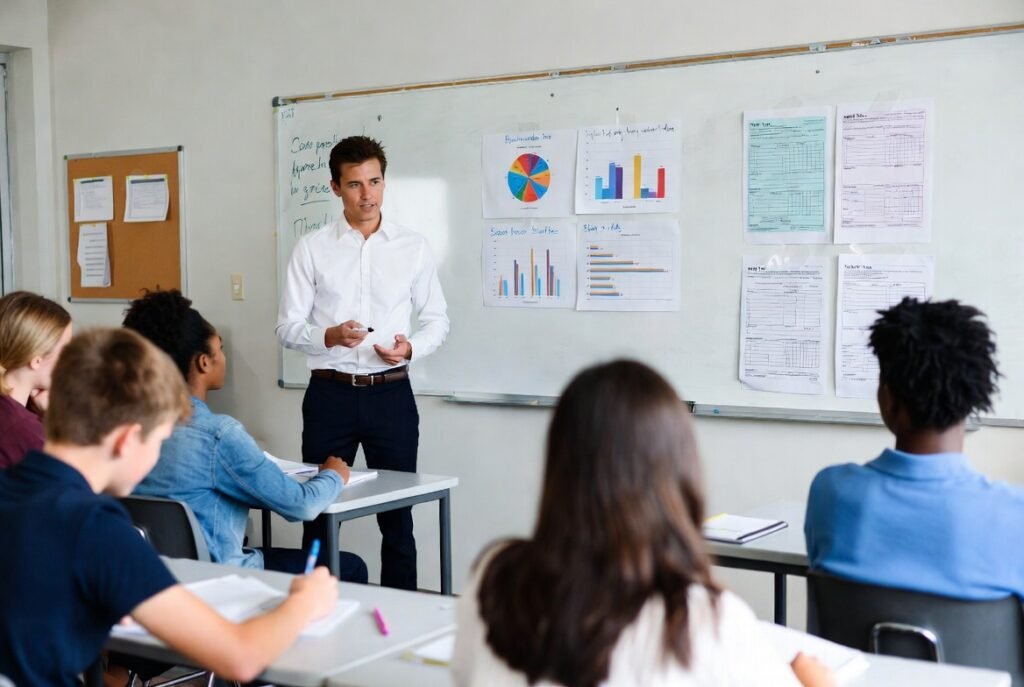
States across the nation are beginning to require all students to pass personal finance courses before they can graduate. Students acquire practical skills to manage bank accounts and evaluate credit scores while learning how to complete straightforward tax documents which parents have wanted for their children to learn.
Green Schools and Outdoor Classrooms
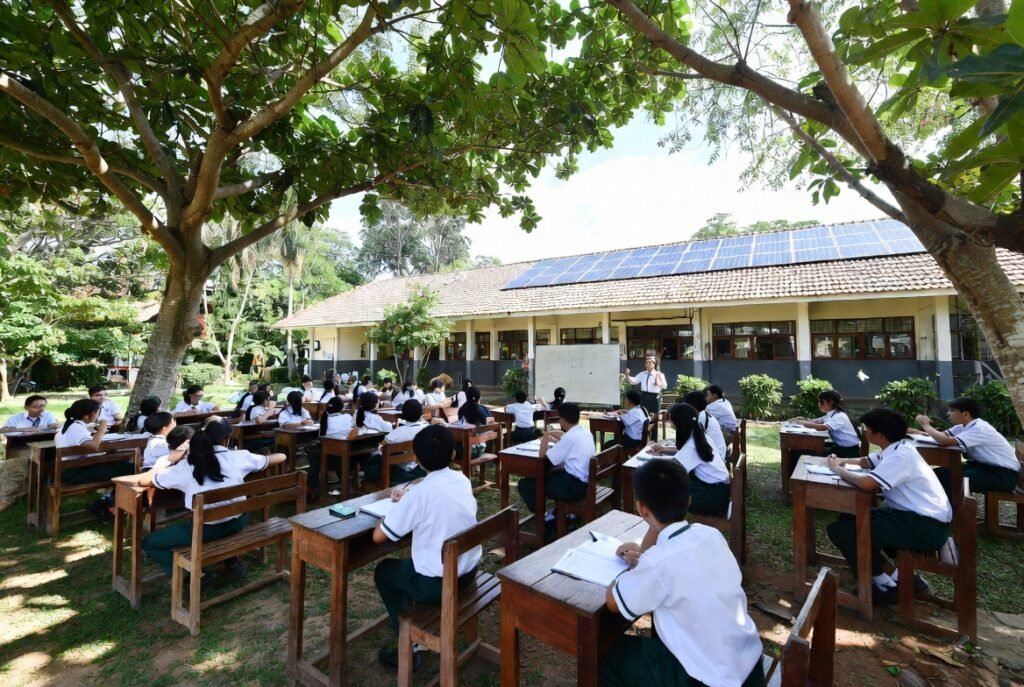
Modern educational institutions design their facilities to enhance indoor daylight access and create outdoor learning environments. The campus functions as a scientific teaching space which enables students to learn about environmental preservation through hands-on experience that occurs in educational laboratories.
High-Dosage Tutoring
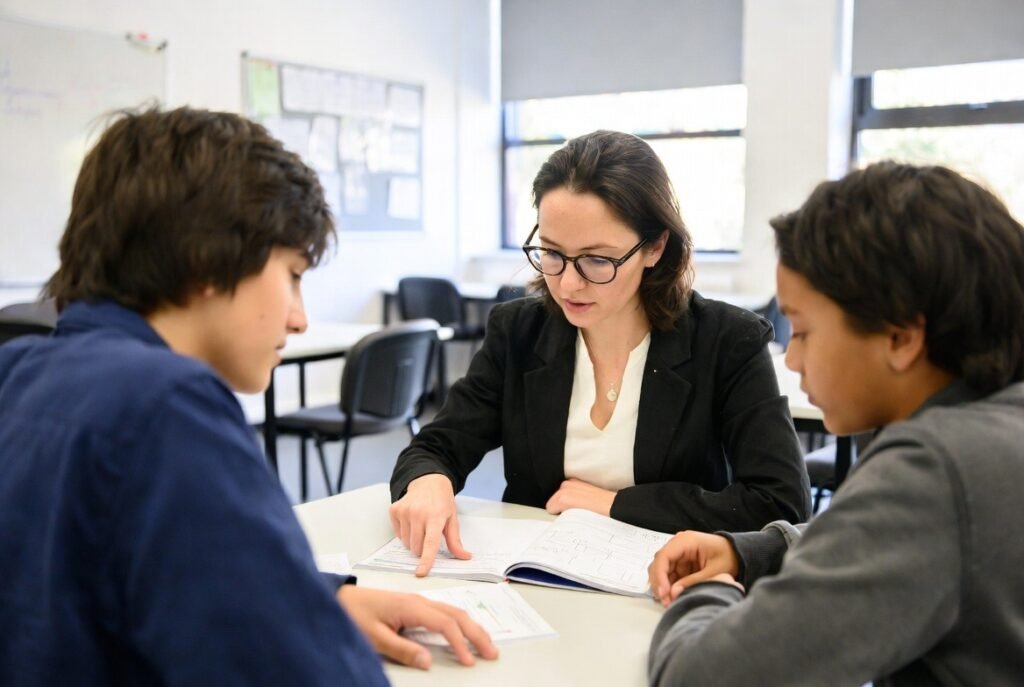
Schools provide “high-dosage” tutoring sessions throughout the school day to address learning gaps that have developed during the past few years. Students work in small groups of two or three with a specialist for 30 minutes three times each week to receive teaching in reading and math.
Later Start Times for Teens
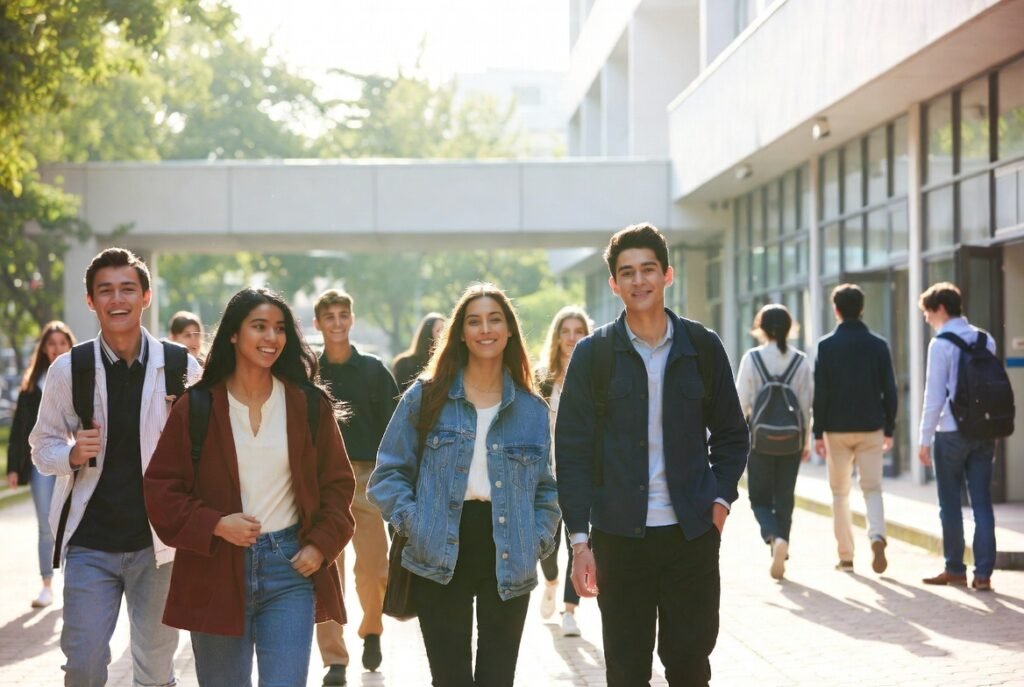
Teenagers experience optimal brain performance during the afternoon hours according to scientific studies. High schools now start their school day at 8:30 a.m. or later to ensure that students receive sufficient sleep for optimal classroom performance.
