
The implementation of new financial regulations known as the One Big Beautiful Bill Act will establish fundamental alterations to the United States student loan program during the 2026 time period. The new updates bring about a substantial transformation from the previous system which allowed borrowers to take unlimited loans while choosing from various repayment options to the new system which establishes fixed borrowing limits together with particular repayment methods.
The Death of the SAVE Plan

The Saving on a Valuable Education (SAVE) plan, which offered very low monthly payments, is officially being phased out and replaced. The court settlement from 2025 now requires that all borrowers who previously participated in SAVE will receive new repayment plans which usually come with higher costs.
The New “Repayment Assistance Plan” (RAP)

A new income-driven plan called RAP will begin functioning as the main repayment choice for borrowers who want their payments to match their income starting on July 1, 2026. The RAP payment system requires users to calculate their payments by using their Adjusted Gross Income (AGI) instead of using the previous system which operated on discretionary income.
Fewer Choices for New Borrowers
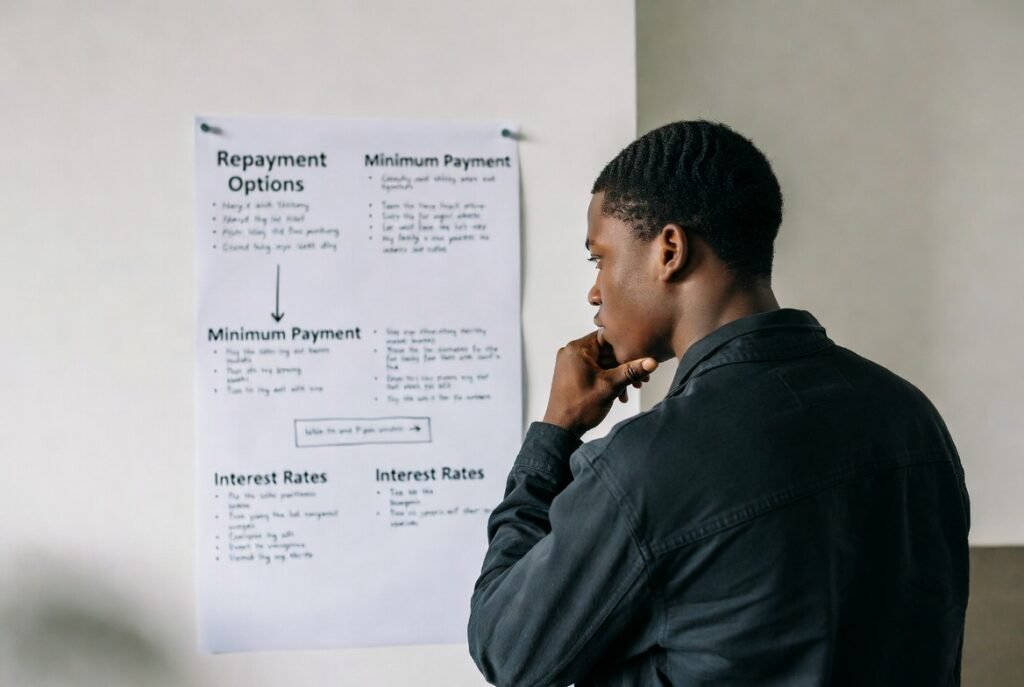
The available repayment options after July 1 2026 will decrease from almost twelve choices to two options which include the Standard Repayment Plan and the Repayment Assistance Plan (RAP). The new system aims to create basic processes but it removes from older borrowers their previous capacity to choose their repayment method.
Grad PLUS Loans are Gone

The Graduate PLUS loan program will stop existing for all new students who wish to use its funding. The previous funding system allowed graduate students to access full tuition coverage which now limits their financial resources to Unsubsidized Loans that enforce tight spending constraints.
Parent PLUS Loan Limits

Parents can no longer borrow unlimited amounts for their children’s education. Parents who take out new Parent PLUS loans face an annual borrowing limit of $20,000 per student which leads to a maximum borrowing restriction of $65,000 throughout their child’s educational timeline. The new regulations stop parents from accumulating excessive debt during their final employment period.
Legacy Protections for Current Students

You are considered “grandfathered” into the system if your Grad PLUS or Parent PLUS loan was disbursed before July 1, 2026. The old borrowing limits remain available to you for three more years or until you reach your academic completion point.
Forgiveness Timeline Extension
The RAP plan grants total balance forgiveness after the borrower completes 30 years of payment. Most new borrowers will spend ten more years on their loans before they can achieve debt release because the current requirement moves from 20 or 25 years to 30 years.
Forgiveness is Taxable Again

The temporary “tax-free” status for forgiven student loans expires at the end of 2025. The IRS will treat all amounts that borrowers receive as loan forgiveness through income-driven plans starting in 2026 as taxable income which will create a one-time tax liability known as a “tax bomb.”
Interest Subsidy Protections

The new RAP plan provides a subsidy which prevents borrowers from exceeding their budget limits. The government will handle remaining interest costs when your monthly payment falls short of covering interest costs thus preventing your loan balance from growing during your payment period.
Public Service (PSLF) Restrictions

The public service loan forgiveness program continues to operate while new government rules establish conditions which will deny forgiveness to employees whose non-profit organization participates in prohibited conduct. Public sector employees must confirm their employer eligibility according to the updated 2026 regulations.
