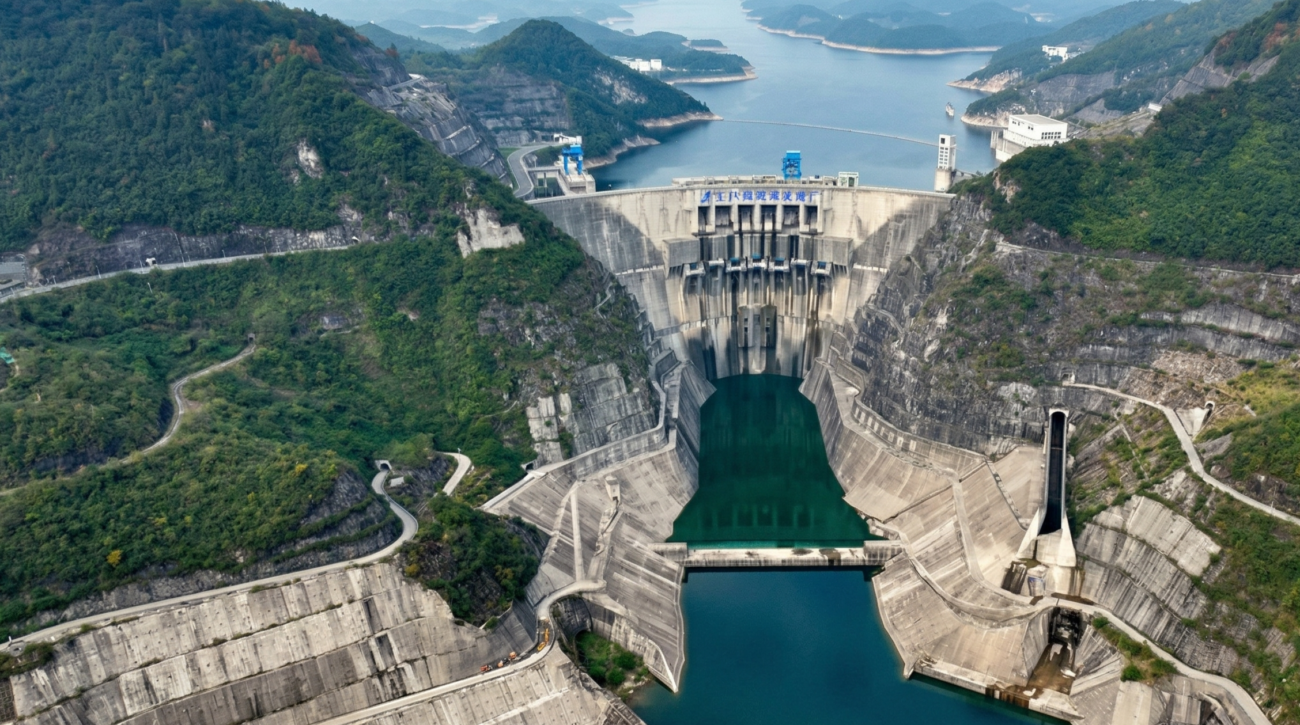
Just picture sailing your boat into a massive steel bathtub, the gates close behind you, and then the whole thing starts to lift you up, pulling you 113 meters straight up the side of a concrete dam that’s taller than a 40-storey building. No drama, no turbulence, just the slow, surreal ascent of a vessel that weighs thousands of tonnes being lifted through the air like a toy in a lift. This is the Three Gorges Dam Ship Lift located in Hubei Province, China. It is not only the world’s largest ship elevator but also one of the most remarkable engineering feats ever constructed, redefining the limits of what rivers, dams, and mountains can and cannot obstruct.
Building the world’s largest dam blocks ships
The Three Gorges Dam spans the Yangtze River, the longest river in Asia, and generates up to 22,500 megawatts of electricity. But its sheer scale created a navigation crisis. Ships that used to move freely along one of China’s key commercial waterways suddenly ran into a massive concrete wall that was 185 meters tall, blocking their way completely. A solution that could handle thousands of tonnes at a time was urgently needed.
Five-stage ship locks worked, taking nearly four hours to complete
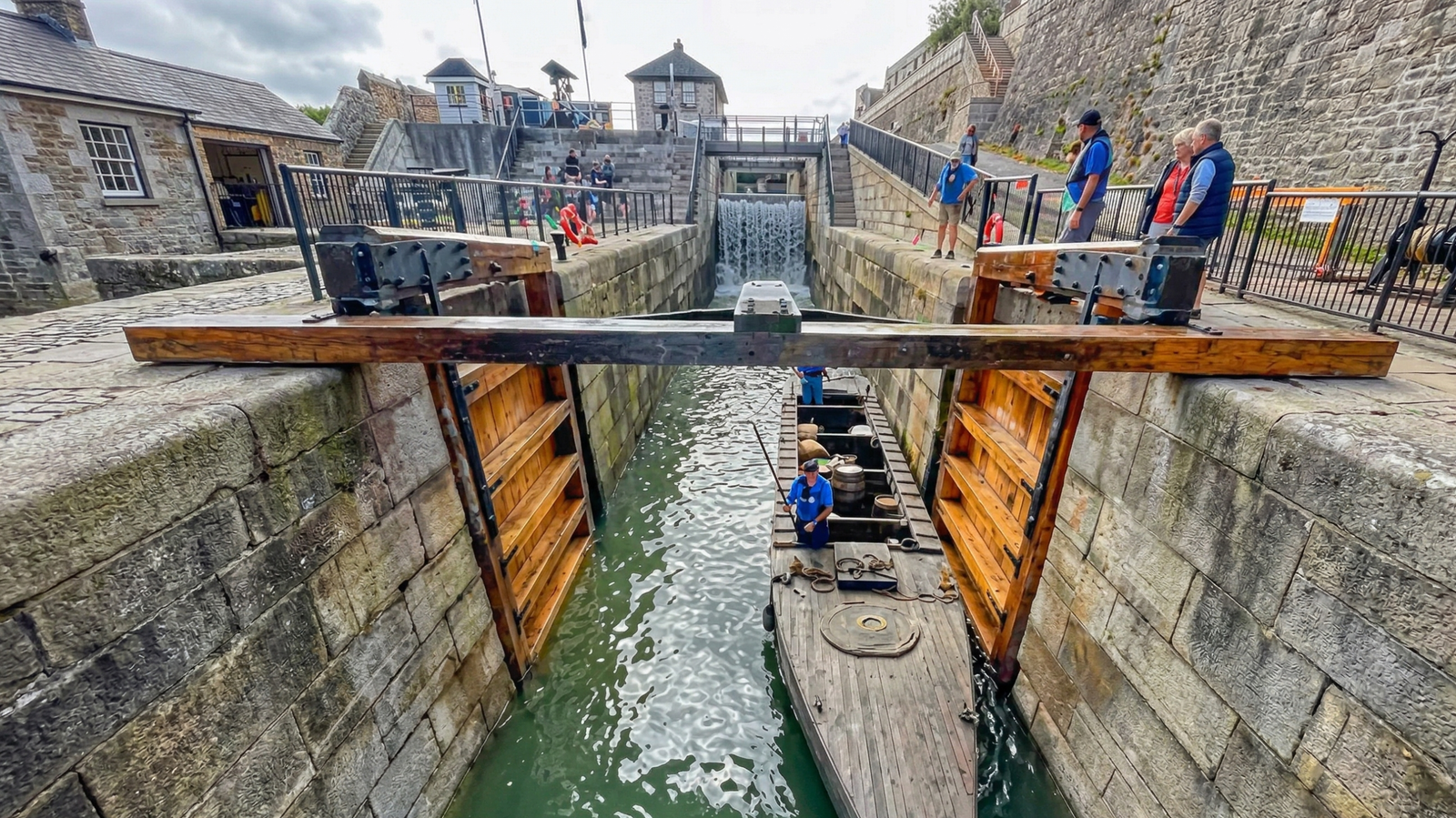
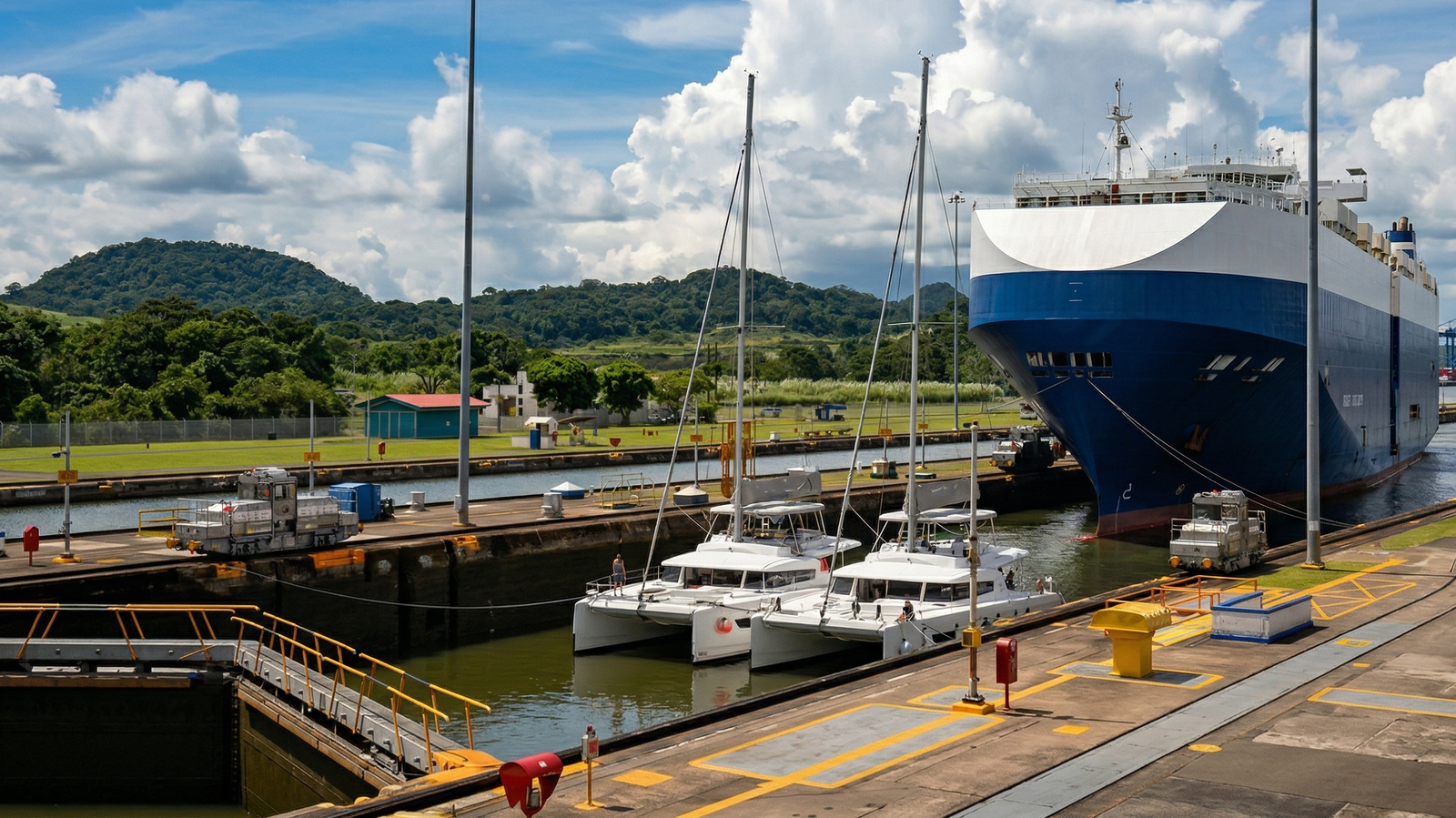
Before the ship lift was built, vessels crossed the dam using a five-stage staircase lock system, similar in principle to the Panama Canal. Ships would be raised or lowered through a series of water-filled chambers, one step at a time. The process worked, but it consumed roughly three and a half hours per crossing, creating bottlenecks and limiting the volume of shipping the river could handle each day.
A steel chamber the size of two football fields, 169 metres in the air
The ship lift chamber measures 120 metres long, 18 metres wide, and 3.5 metres deep, large enough to hold a vessel weighing up to 3,000 tonnes. It hangs from 256 steel ropes connected to counterweights running inside four reinforced concrete towers that stand 169 metres tall. The entire moving mass, chamber, water, ship, and counterweights combined, reaches approximately 34,000 tons.
Why a 3,000-tonne ship doesn’t make the chamber heavier
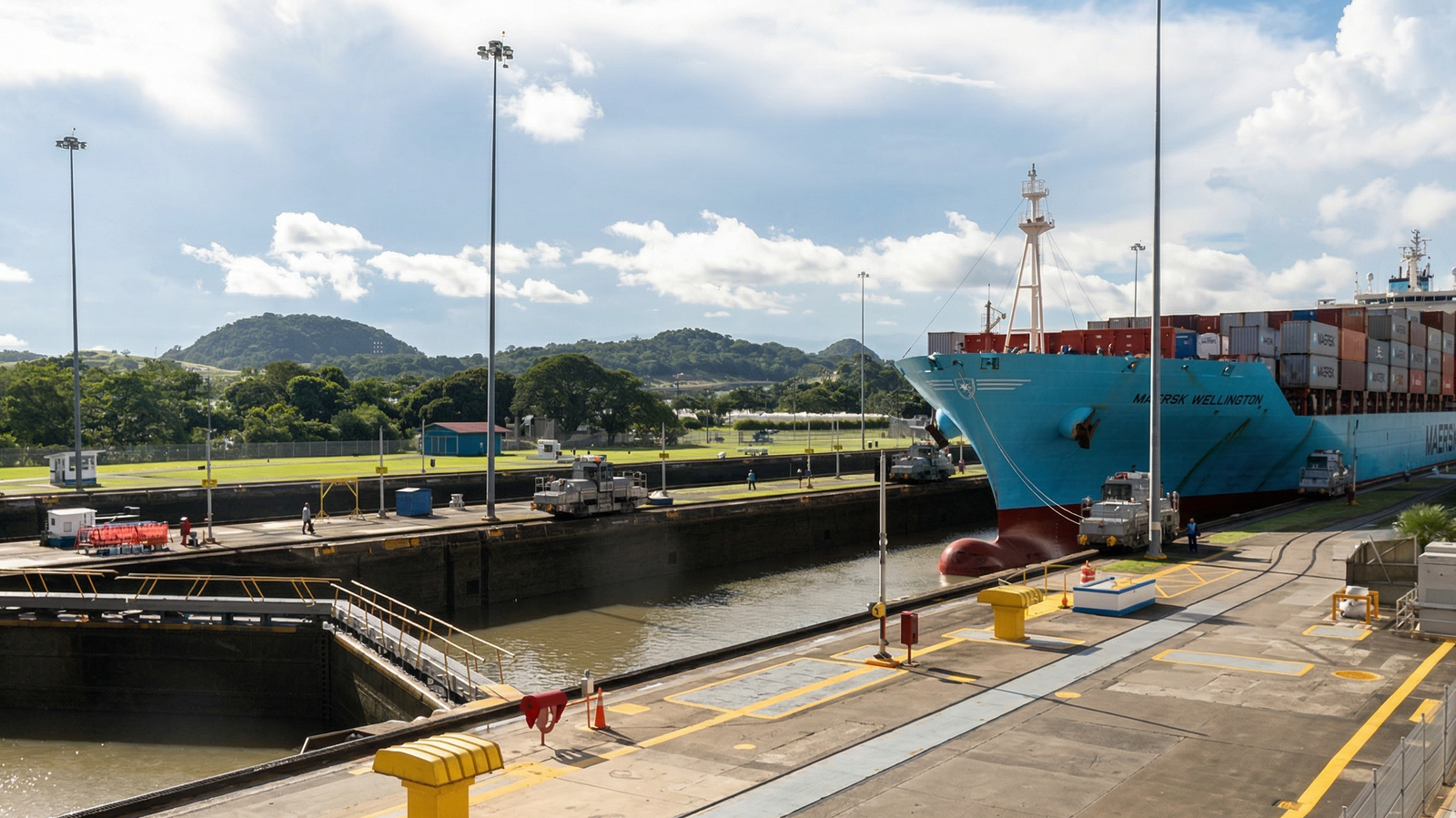
The system exploits Archimedes’ principle, a discovery more than 2,000 years old. When a ship floats inside the water-filled chamber, it displaces its own weight in water, which is then released. The chamber weighs the same whether it holds just water or a ship plus water. This clever balance means the counterweights can keep the system in equilibrium without needing enormous energy to drive the lift up or down.
Rack, pinion, and 256 motors working in perfect synchrony
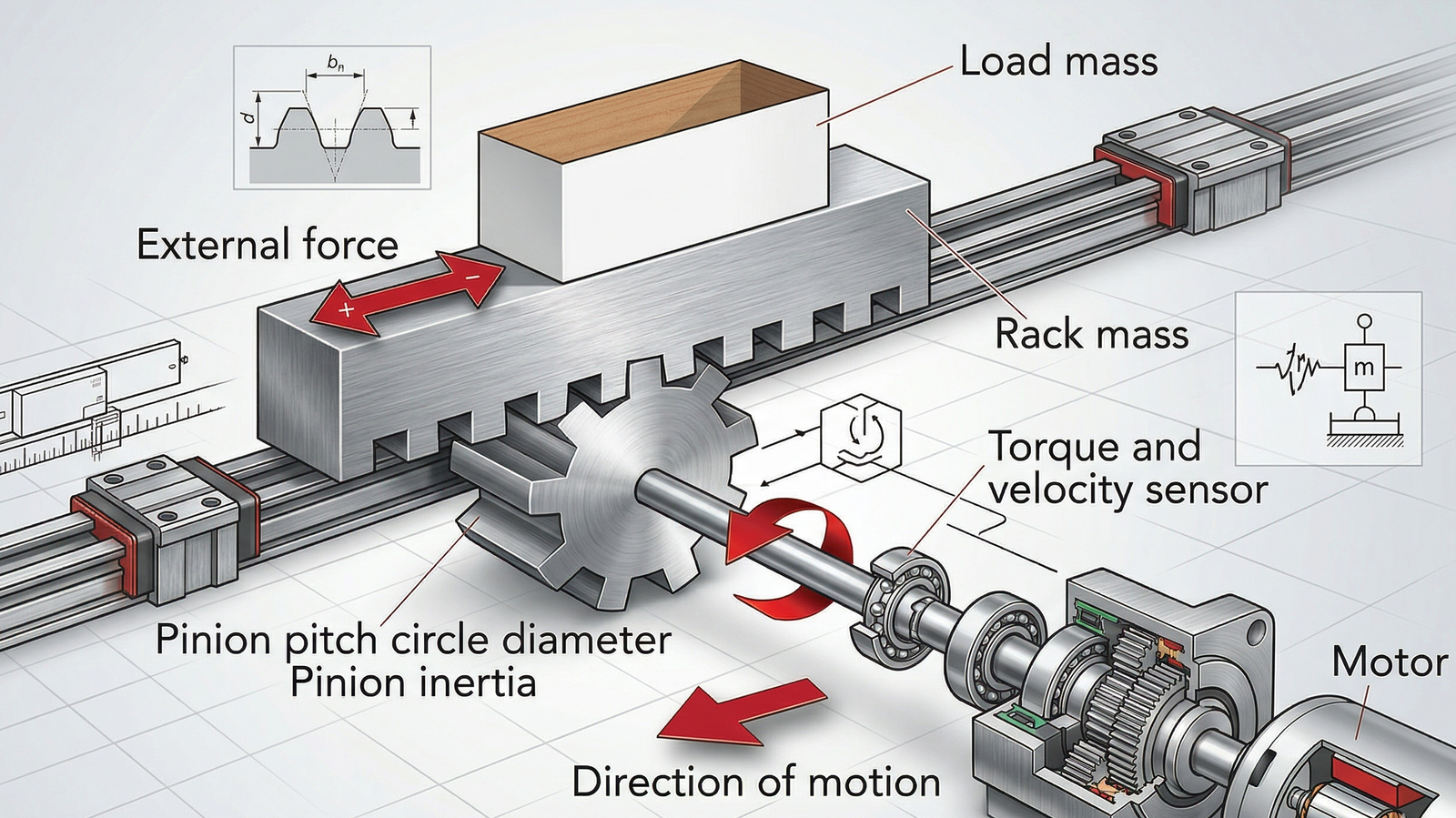
While Archimedes handles the balance, precision machinery handles the movement. A gear-and-rack system controls the chamber’s ascent and descent, and 256 synchronised motors drive the operation at a travel speed of 0.2 metres per second. Advanced computer systems monitor every stage to ensure the chamber moves level, stops at exactly the right position, and responds correctly in the event of an emergency such as an earthquake or chamber leak.
23 years of development to the world’s largest ship elevator
The ship lift took over two decades to develop, with design work beginning in earnest in 2004 through a joint venture between German engineering firms Krebs and Kiefer and Lahmeyer International, working alongside China Three Gorges Corporation. Construction ran from 2008 to 2013. Testing concluded in 2015, and the first operational use took place in September 2016. It surpasses every other ship lift on earth by a factor of 1.5 to 3 in scale, lifting height, and capacity.
A crossing that once took four hours now takes 40 minutes
The ship lift completes the actual mechanical lift in roughly 22 minutes of travel time. The total crossing, including entering and exiting the chamber, runs to about 40 minutes. Compared to the nearly four hours required by the five-stage lock, this is a transformation in efficiency that has measurably increased freight throughput on the Yangtze, which recorded a shipping volume of over 159 million tonnes in 2022 alone.
China’s other mountain ship lift faces a steeper challenge
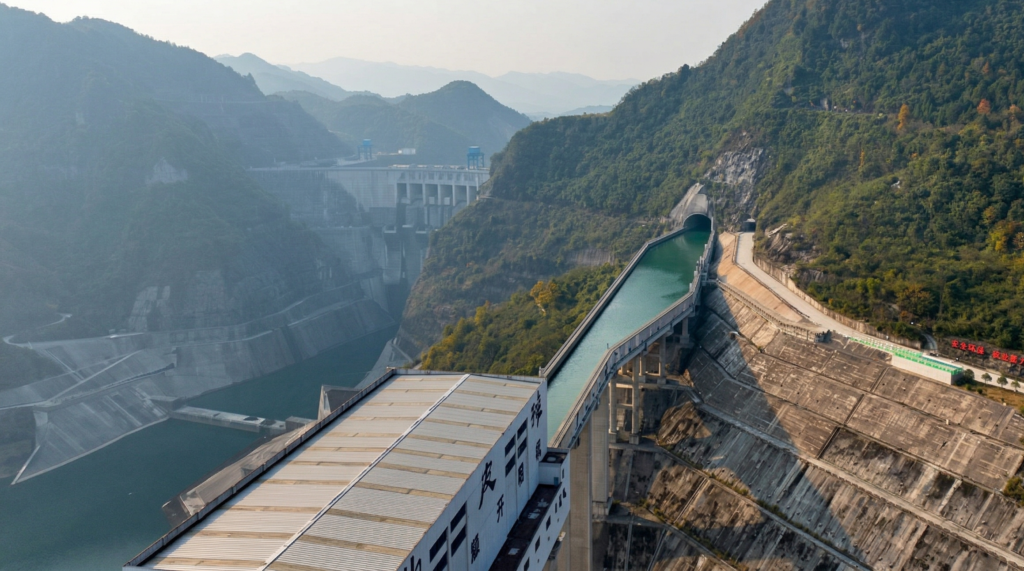
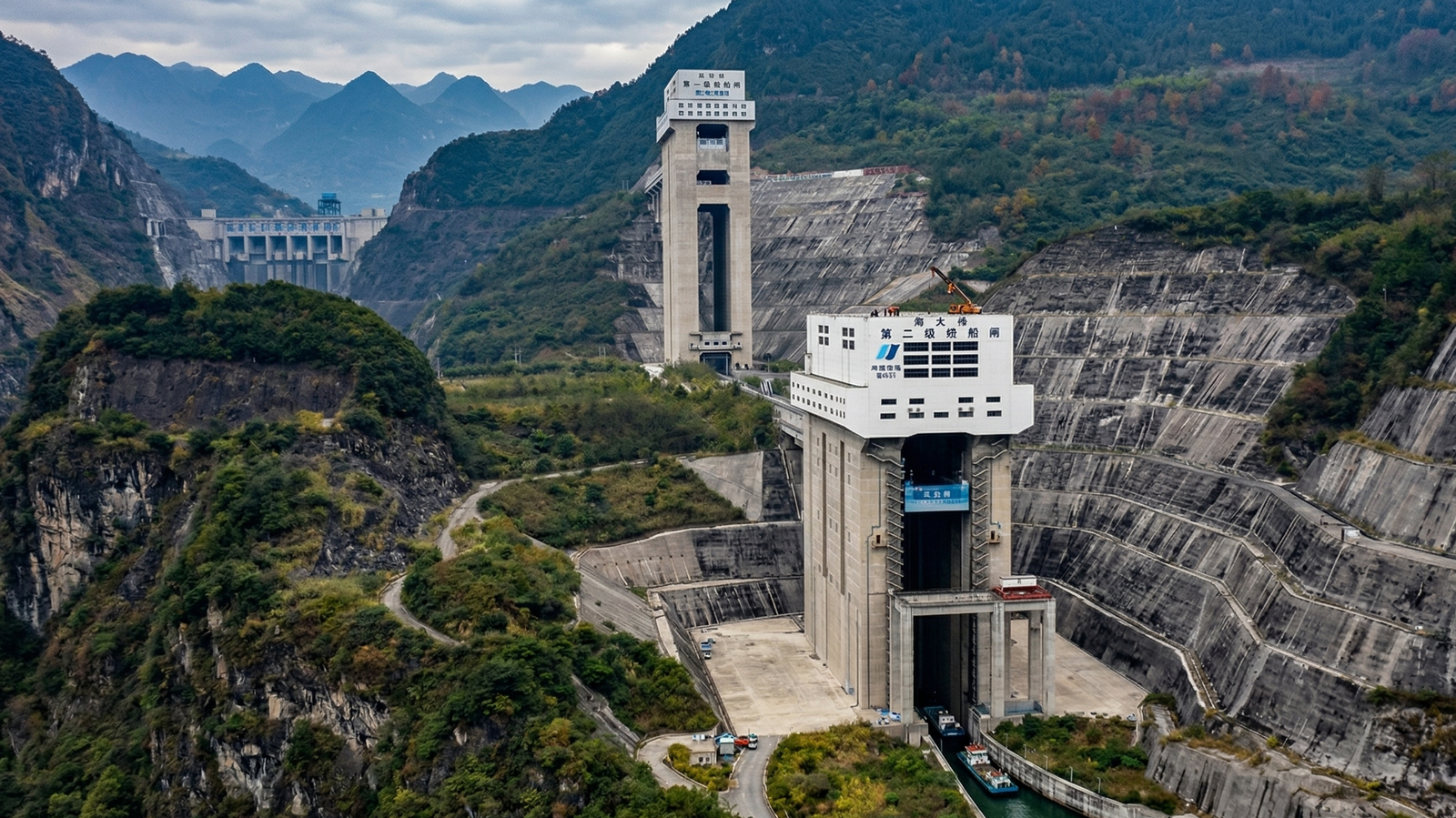
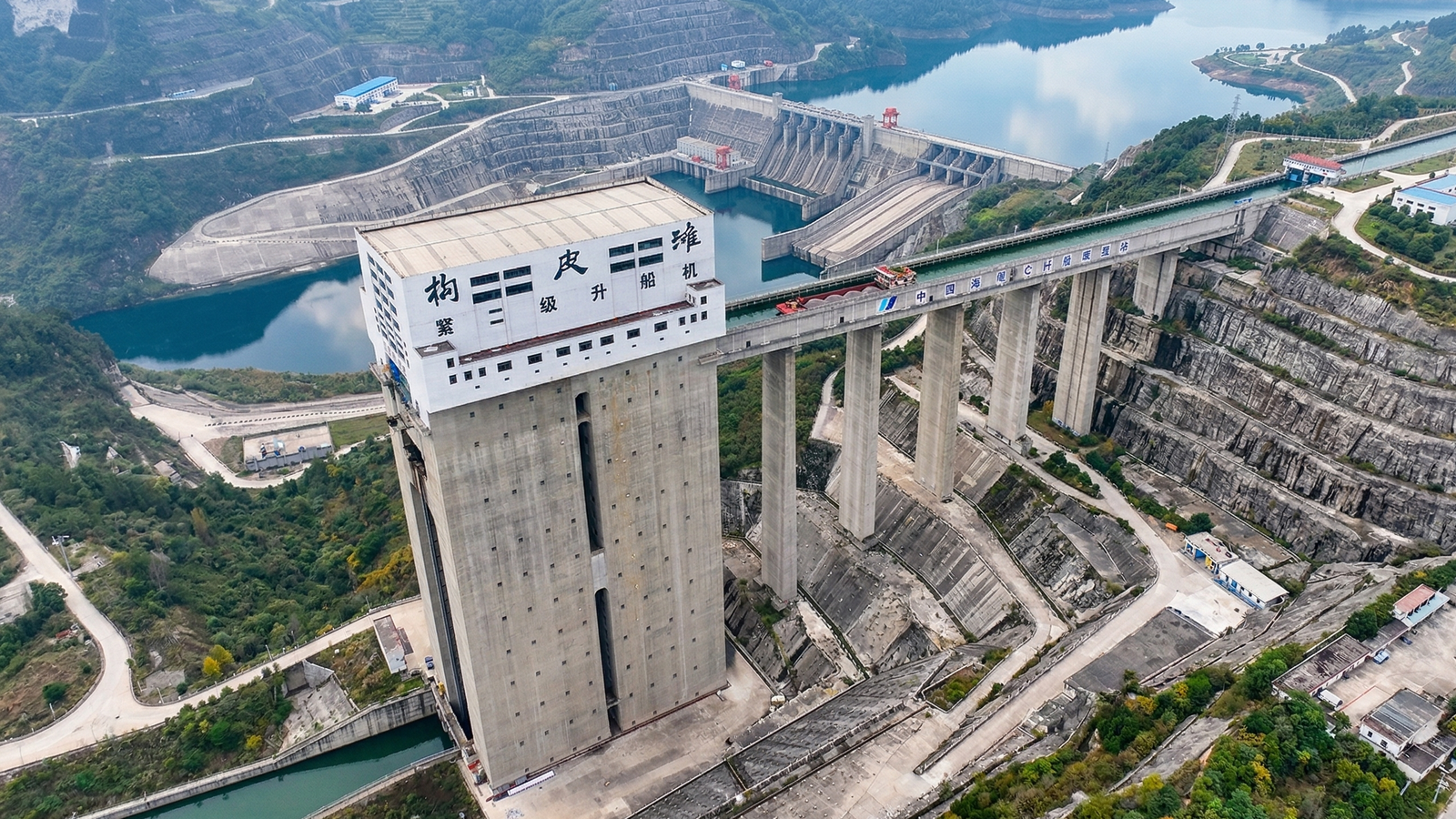
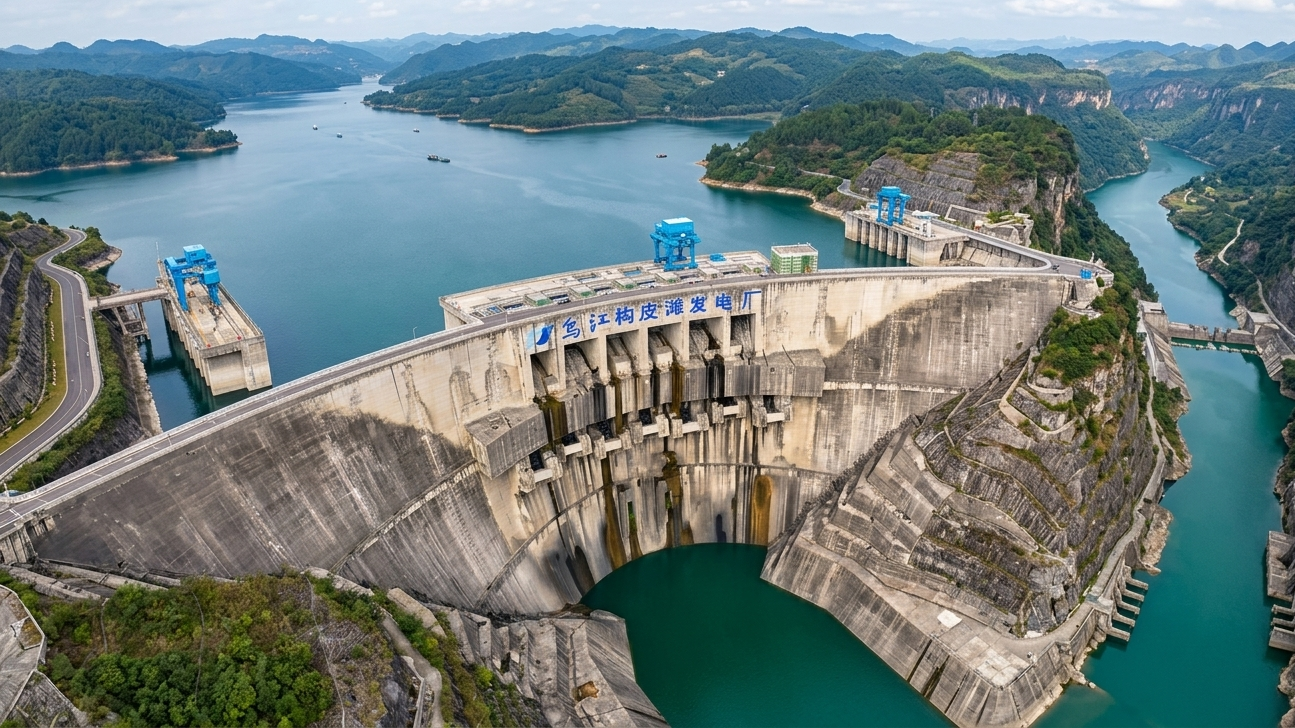
The Three Gorges lift is not China’s only ship elevator of note. The Goupitan ship lift on the Wu River in Guizhou Province addresses a height difference of up to 199 metres, the greatest navigational head of any such structure in the world. Its multi-step design includes vertical boat lifts, navigable aqueducts, and a ship tunnel through the mountain itself, connecting waterways that geography had previously made impossible to link.
What it actually feels like to ride a ship elevator up a mountain
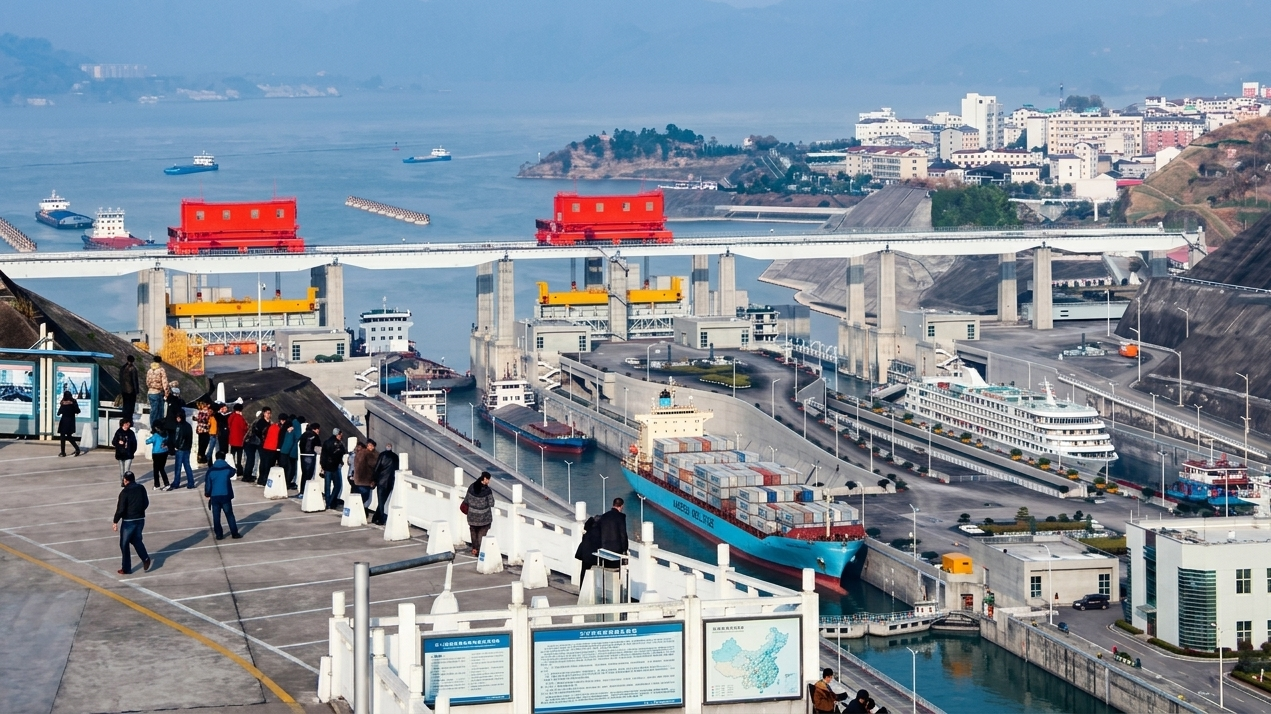
Travellers on Yangtze River cruises can experience the lift firsthand by transferring to a smaller sightseeing vessel at Maoping Port. The boat sails into the chamber, the gates close, and the slow vertical climb begins. From the deck, the river drops away below as the surrounding dam structure rises on all sides. For most passengers, the overriding sensation is less fear than a quiet, almost disbelieving wonder that something this large can move so smoothly.
