
Financial stability has taken centre stage as a concern of many Americans as the economic conditions keep changing at a fast rate. The increase in the cost of living, unstable employment opportunities, and the changing financial models have complicated long-term security. Savings, debt, and income protection are all areas that are being paid more attention to than ever before by families and individuals.
The salaries are increasing at a slower rate than the cost of living

As the costs have been on the increase, the wage growth has not necessarily been in tandem. Increases in salaries are minimal or not consistent for many workers. This disconnectibility complicates the process of saving money or having a long-term plan.
Uncertainty in the Economy and Market Volatility

The financial anxiety has been augmented by frequent economic changes and an unpredictable market. The fluctuations in the stock markets, inflation and fluctuation of the interest rates influence savings and investments. Such uncertainties consume people more about their money.
Job Market Instability

Even though there are job opportunities, there is no job security. Traditional career paths have been altered by the use of layoffs, contract work and automation. The workers are no longer anticipating working in the same organisation throughout their lives.
Growing Household Debt

Credit cards, student loans and personal loans have resulted in more debt. Repayment may be cumbersome and prolonged in case of high interest rates. Debt is becoming a significant issue for most families.
Housing Affordability Problems

Home purchase and rental have become costly in most areas. The cost of housing and the increase in rent rates restrict the access of families and young professionals to housing. Housing instability may impact total monetary well-being.
The effect of inflation on Savings

Over time, inflation lowers the purchasing power of money. The savings which seemed to be adequate may no longer suffice. This has sensitised the Americans regarding their saving and investment habits. Financial stability has also taken into consideration how to safeguard savings against inflation and still have funds to actualise their short-term needs.
The pressures of Retirement Planning

The traditional retirement systems have evolved in a great way. The pensions are not prevalent, and people have a major part in planning their retirement. There is a growing concern about living longer than the savings.
Impact of Global Events
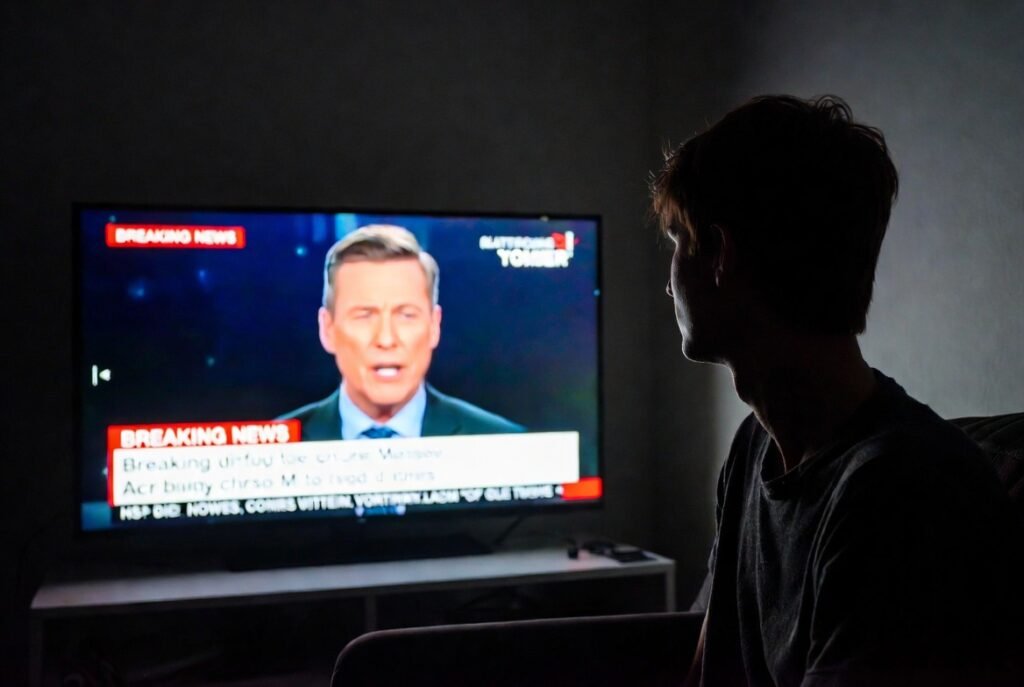
Local economies are influenced by world events like pandemics, wars, and supply chain failures. These incidents may result in loss of employment, prices and financial uncertainties. This has been felt directly, and this has made the need to be financially stable to be emphasised.
More Financial Consciousness

Digital platforms and media have facilitated access to financial information. Individuals have more knowledge on budgeting, investing, and debt management. This realisation has brought about monetary threats and opportunities.
Changing Family Structures

The family structures and setups currently are based on two-income or single-income families, taking up complete families. Financial planning is complicated by the cost of childcare, education and elder care. These liabilities boost the demand for stable finances.
Influence of Consumer Culture

Consumer culture promotes consumer spending with the aid of simple credit and constant advertising. Although convenient, this would cause financial strain. A significant number of Americans have realised the effect of excessive spending in the long run.
Desire for Peace of Mind

In addition to utilitarian motives, financial security provides emotional comfort. Stress decreases when it is known that the bills are payable and the emergencies can be taken care of. Financial stability has been promoted by many Americans as a wellness factor.
