
Given the high returns that cryptocurrency gave in 2025, it is not unexpected for some retirees consider the possibility of digital assets helping their savings. However, financial advisors suggest being extremely careful. The volatility of crypto, poor regulation, and the frequent demise of projects can be very risky for those who depend on a fixed income or are safeguarding a lifetime of savings. Though some might justify a minor and proper investment in well-known assets, still the majority of the coins are just too risky for retirement portfolios. The following are the cryptocurrencies that the experts recommend retirees should not invest in.
Shiba Inu (SHIB)
Experts call Shiba Inu a pure marketing project with anonymous founders, no governance, unaudited code, and a massive token supply leading to inflation. Retirees risk buying high only to see no buyers when selling, as hype fades quickly without real utility backing the price.
Squid Game Token (SQUID)

This infamous 2021 rug pull token, inspired by the Netflix show, saw creators drain funds after a massive pump. Revivals or copycats persist with scam risks, so experts urge retirees to completely avoid any variants, as fraud history makes recovery of capital highly unlikely.
SafeMoon (SFM)

Plagued by fraud allegations, SEC charges, and unresolved litigation, SafeMoon poses massive legal risks. Exchanges may delist it abruptly, freezing holdings—experts say retirees should avoid it entirely, as court-driven price swings offer no stability for preserving capital.
Pepe (PEPE)
This frog-themed meme coin thrives on internet trends with zero practical use or development roadmap. Extreme volatility from speculative trading makes it unsuitable for conservative portfolios; experts note retirees could lose substantial portions overnight if community interest wanes, leaving little recovery time.
Floki Inu (FLOKI)

Inspired by Elon Musk’s dog, Floki Inu relies on celebrity tweets and marketing gimmicks rather than solid tech. With inflationary supply and frequent price swings, experts say it’s unsuitable for retirees needing predictable growth, risking quick devaluation in a saturated meme coin market.
Solana (SOL)
Solana had been praised as a competitor to Ethereum but still has network interruptions, which lead to no transactions going through at all. The problem of unreliability is pointed out by the experts as the major reason why risk-averse investors are terrified.
XRP (Ripple)
The ongoing legal struggles with the SEC and the very few investors holding the bulk of the ownership shares are among the factors causing uncertainty. Experts are recommending that retirees keep their distance from XRP because of the sudden drops in value.
BitTorrent Token (BTT)
Lacking clear utility beyond file-sharing incentives, BTT shows minimal adoption and development. Experts view it as obsolete in 2025’s evolving crypto landscape, warning retirees against low-liquidity tokens prone to illiquidity traps and sharp declines without fundamental support.
HEX
As an alternative to high-yield certificates of deposit, HEX is accused of being a scam and involved in Ponzi-like activities. In the opinion of the experts, the not thoroughly clarified staking penalties and the controversies around the founder show that HEX is not a secure investment for the elderly who want to get a safe and predictable growth, rather than speculative promises.
Baby Doge Coin (BABYDOGE)
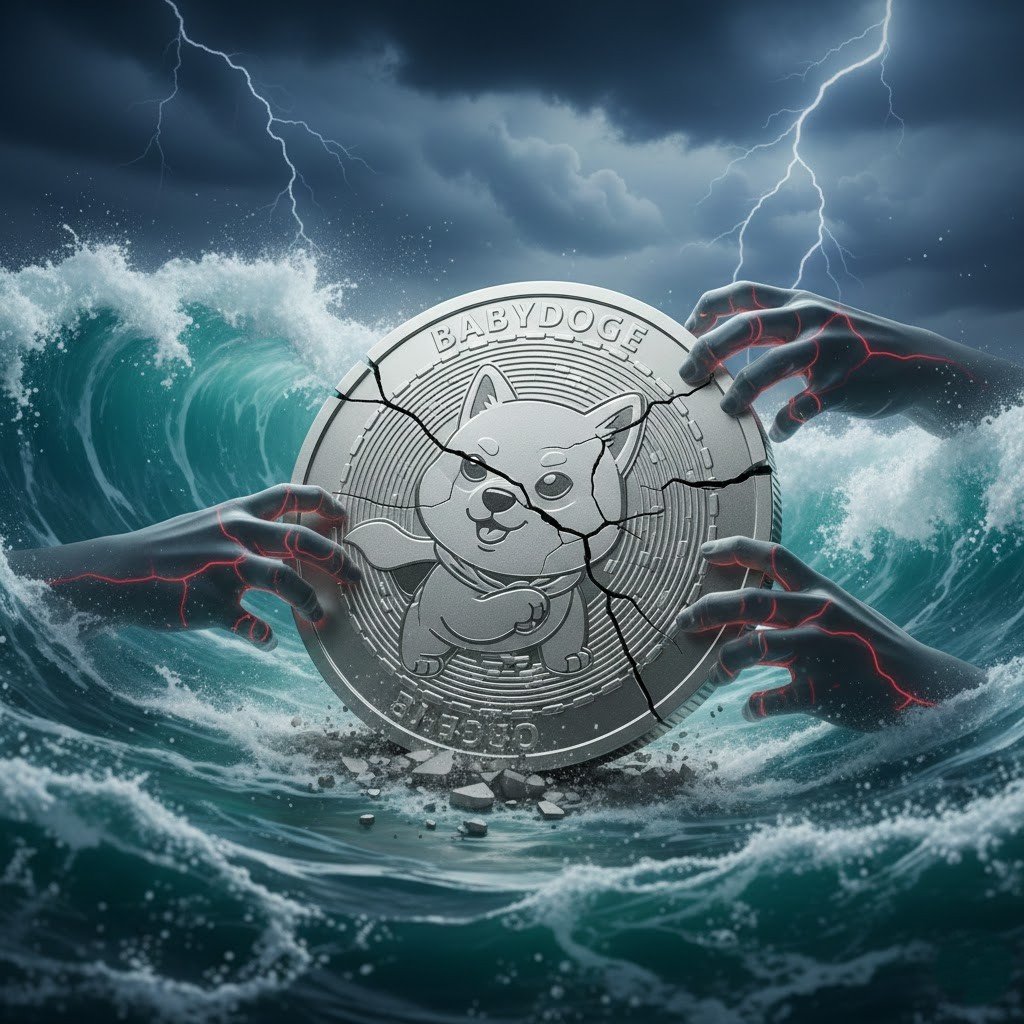
Another inflationary dog-themed spin-off with no unique value, Baby Doge relies purely on charity hype. Experts recommend retirees avoid such micro-cap meme variants, as tiny market caps lead to extreme manipulation and rapid value erosion when trends shift.
