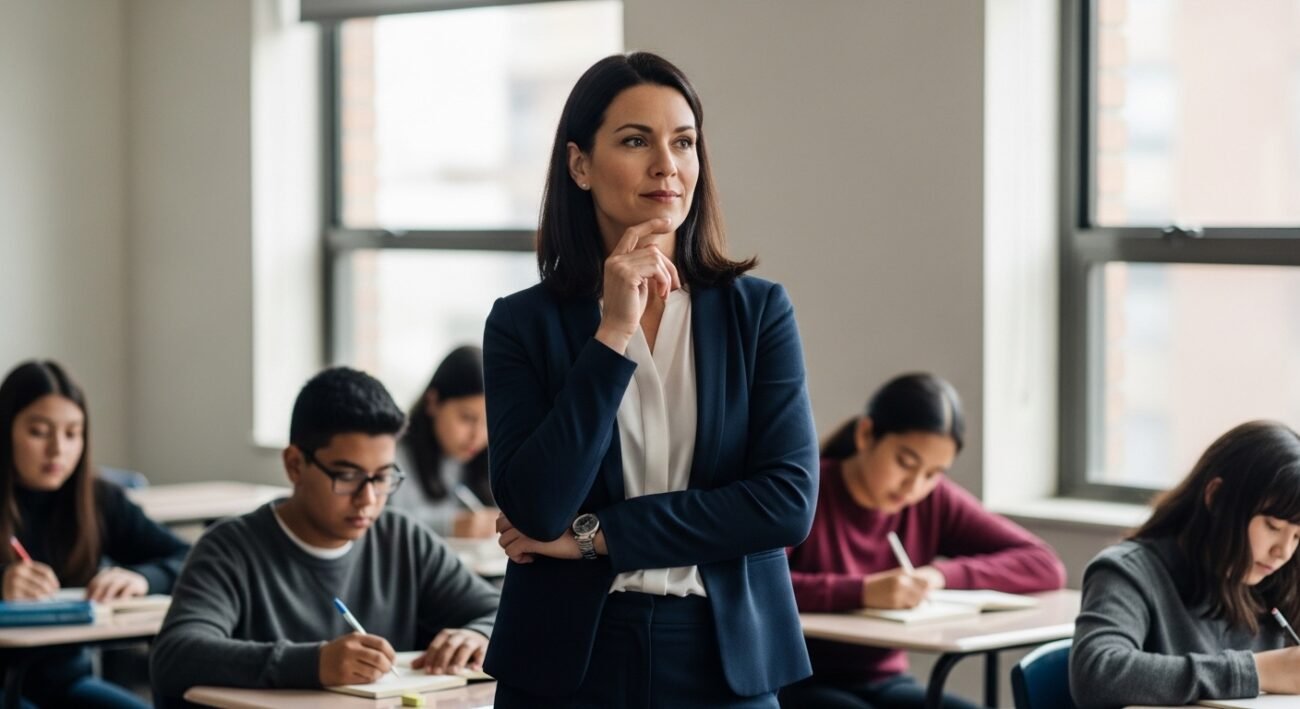
For years, education experts have debated whether U.S. students are truly falling behind or simply facing temporary setbacks. Recent data, however, suggests the issue is more than just a short-term dip. From declining test scores to widening learning gaps, the numbers point to real challenges across grade levels. While the situation is complex and varies by region, the overall picture raises important questions about the future of education in the United States.
Test Scores Continue to Show Declines
National assessments reveal that average math and reading scores remain lower than pre-pandemic levels. In several grades, performance has either stagnated or declined further, signaling that recovery has been slower than expected.
Math Appears to Be the Hardest Hit
Among all subjects, math has suffered the most. Many students struggle with foundational concepts, making it difficult to keep up with advanced material as they progress through school.
Reading Skills Are Also Under Pressure

Reading scores have declined, particularly among younger students and boys. Lower reading proficiency affects all subjects, as comprehension is critical to learning across the curriculum.
Learning Gaps Are Growing Wider
Data shows that students who were already behind before recent disruptions are falling even further back. High-performing students are recovering faster, which is increasing the gap between different groups of learners.
The Lingering Impact of Pandemic Disruptions
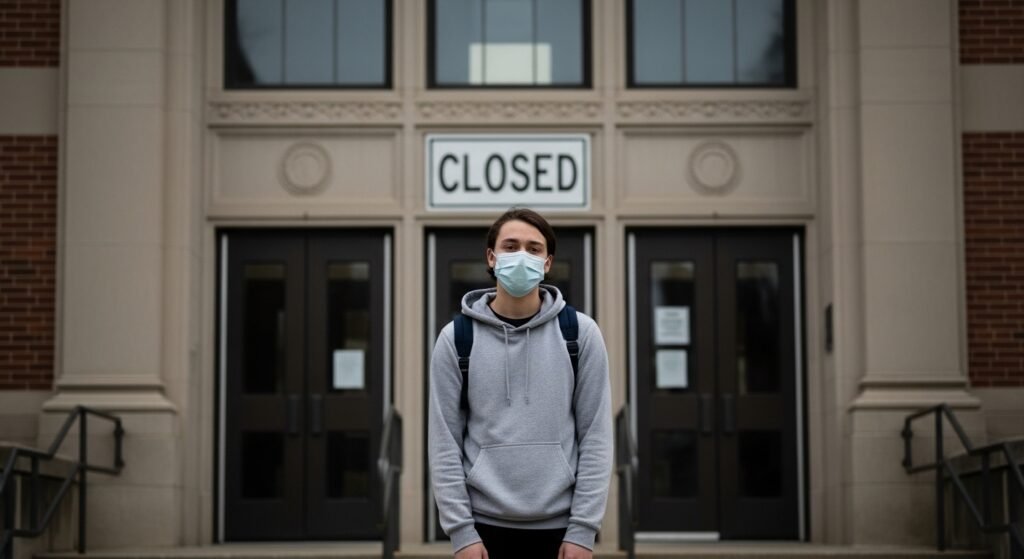
School closures, remote learning, and inconsistent instruction during the pandemic continue to affect student outcomes. Many students lost critical learning time that has not yet been fully recovered.
Attendance and Engagement Remain Key Issues
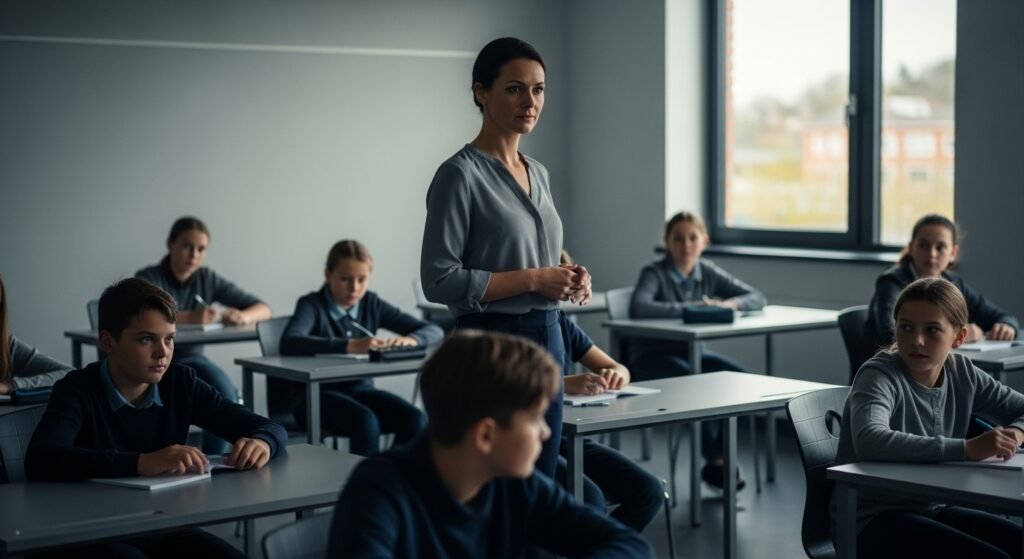
Chronic absenteeism has become more common, especially at the high school level. Students who miss school frequently are far more likely to struggle academically.
Uneven Recovery Across States and Districts
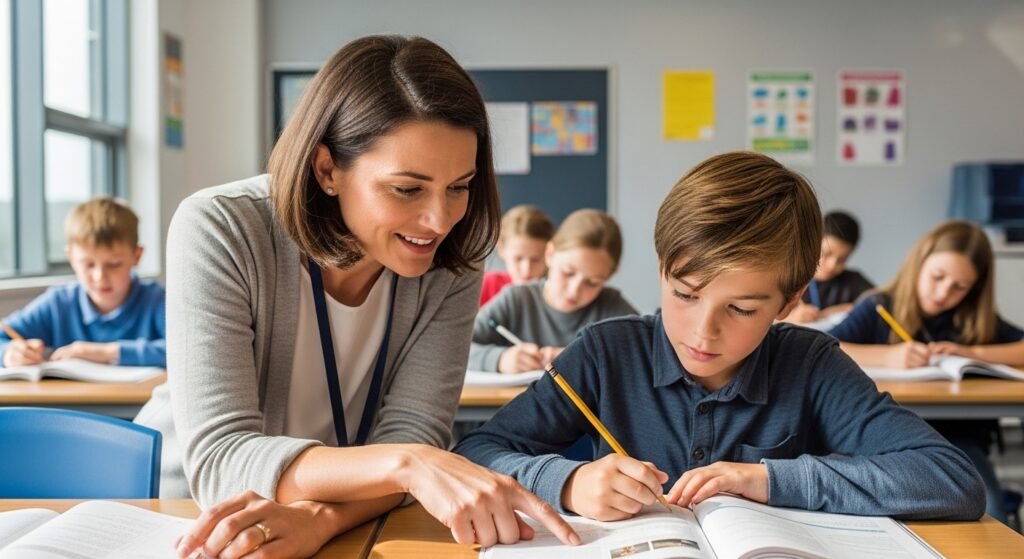
Some school districts have made strong progress, while others continue to lag behind. Access to resources, quality teaching, and local policies play a major role in how quickly students recover.
Teachers Face Increasing Challenges
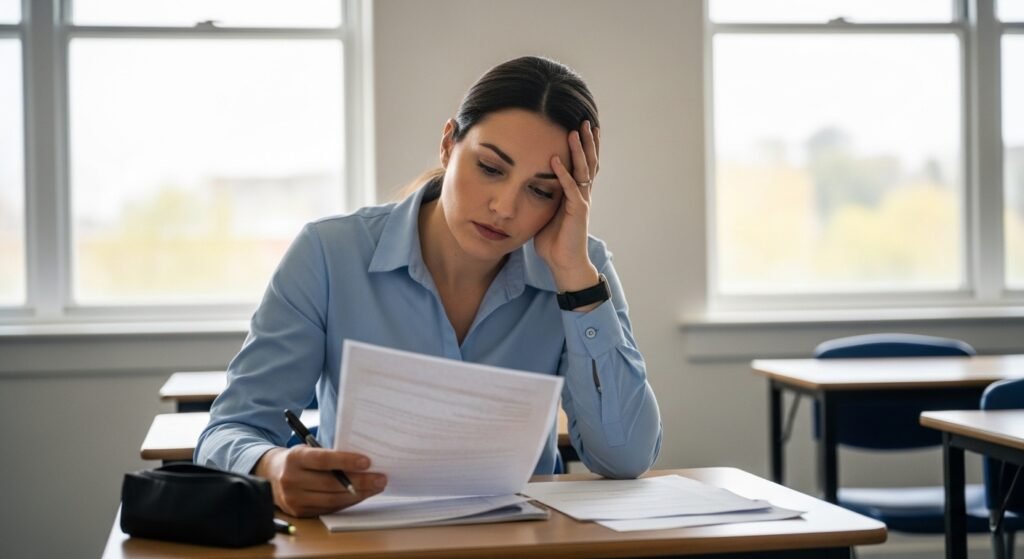
Teacher shortages, burnout, and larger class sizes have made it harder to provide individualized attention. These pressures directly affect student learning and classroom effectiveness.
International Comparisons Raise Concerns
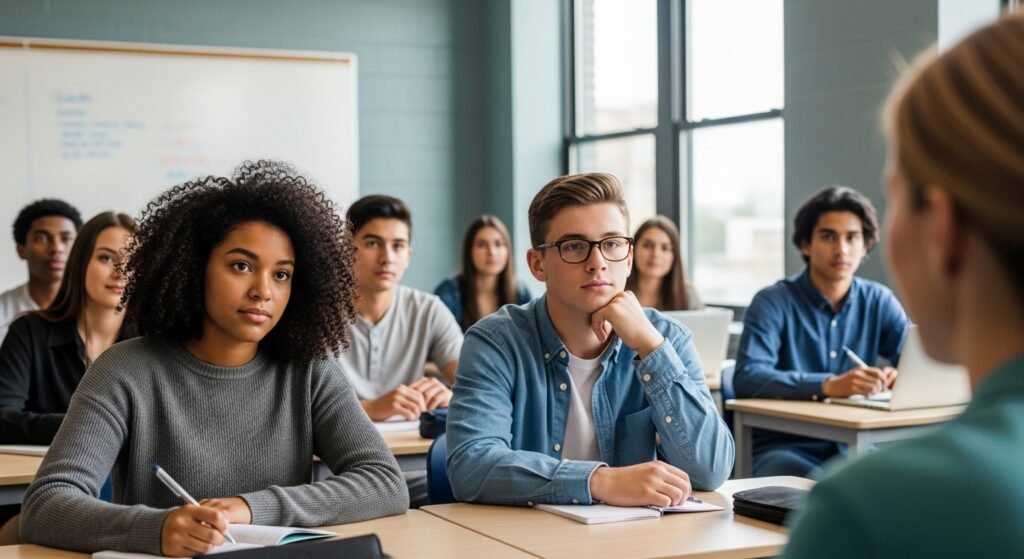
When compared to top-performing countries, U.S. students continue to rank lower in math and science. This gap has fueled concerns about long-term competitiveness in a global economy.
Signs of Progress Offer Cautious Hope
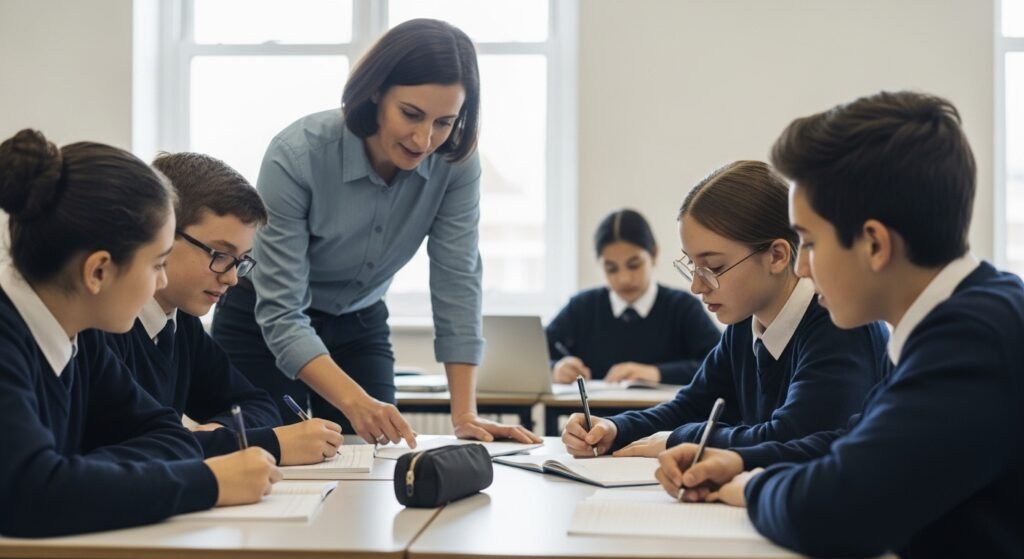
Despite the challenges, some schools are showing improvement through targeted tutoring, curriculum changes, and stronger student support systems. These examples suggest progress is possible with the right strategies.
