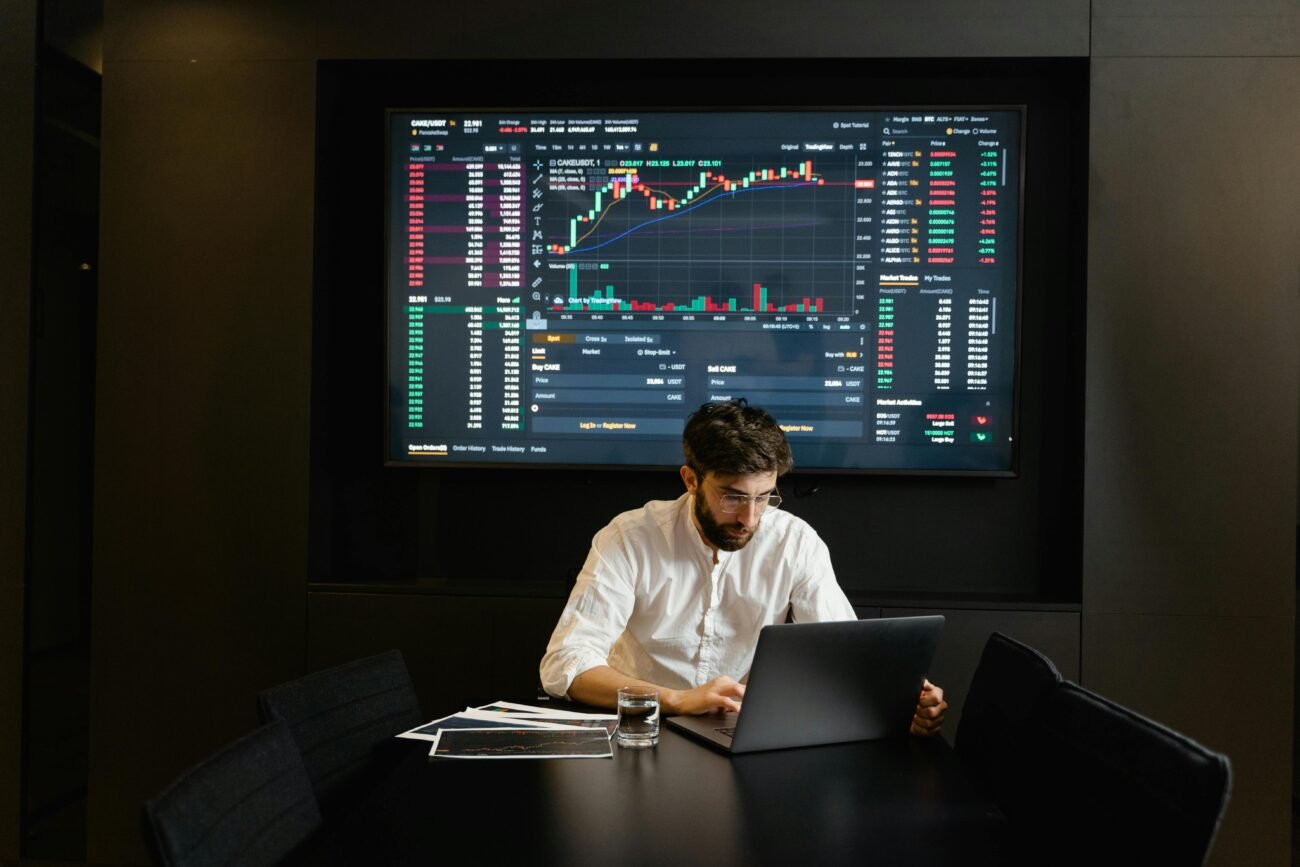
Investment tips are everywhere these days — from online voices sharing quick fixes to experts breaking down trends. But even surrounded by guidance, plenty of people slip into hidden traps without noticing. Big meltdowns are rare; what really shapes outcomes is how small moves pile up. Choices that seem safe at first glance quietly reshape results over time, as fear and excitement pull decisions harder than careful planning ever does.
Chasing What’s Hot
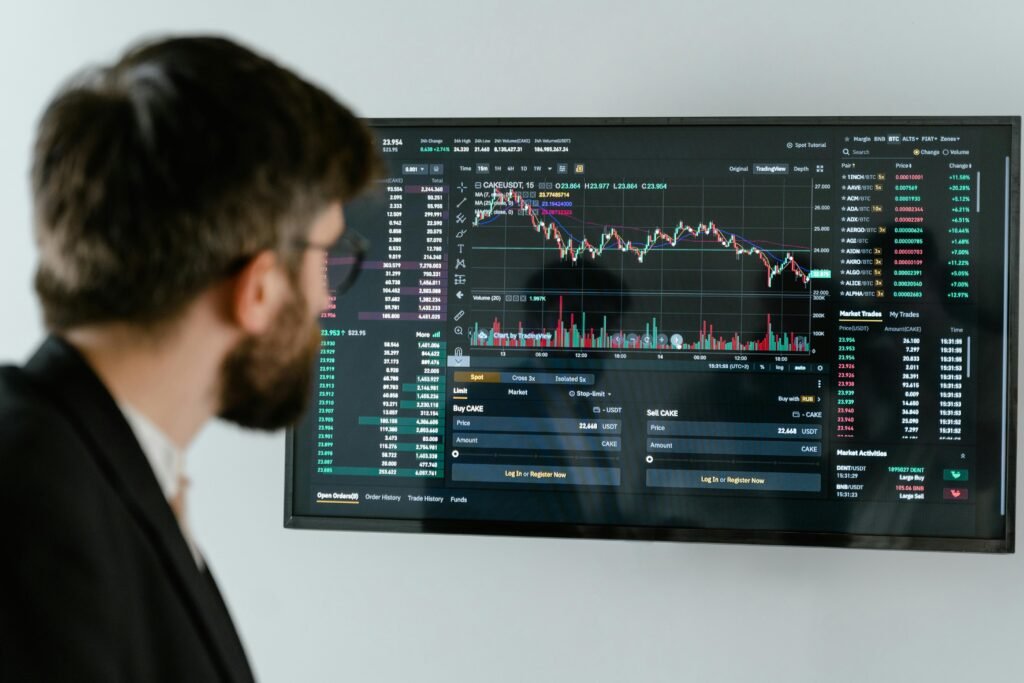
Fresh money rushes in once something’s trending. When chatter spikes on social feeds, the gains usually happened before the noise started — late arrivals buy the hype, not the opportunity.
Too Many Positions
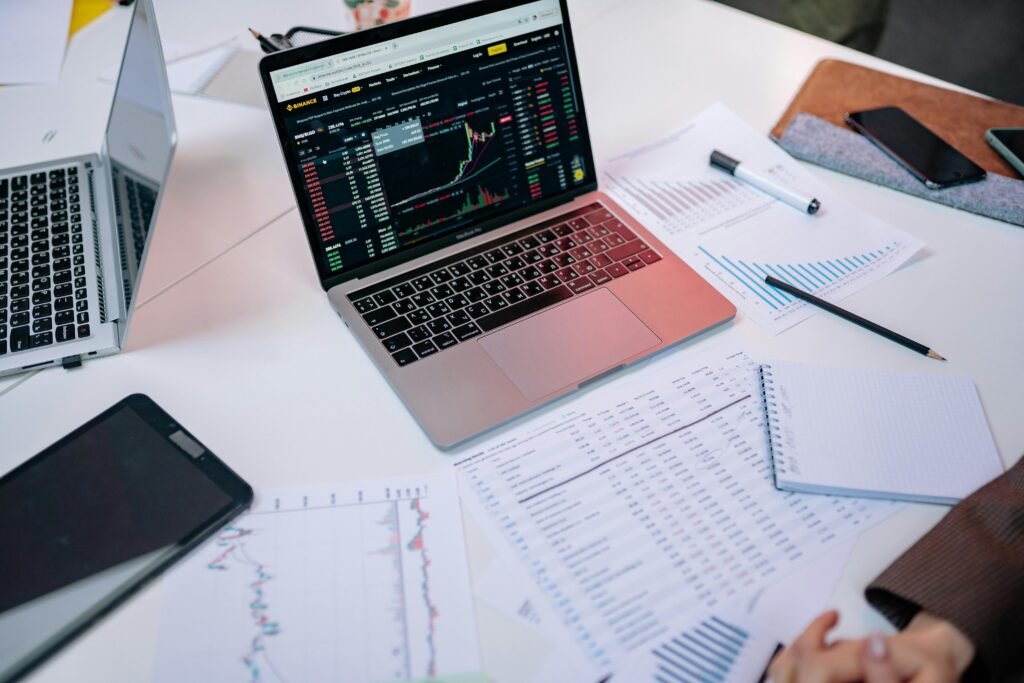
A handful of holdings might seem wise at first glance. But spreading too thin often leads to confusion instead of clarity — dozens of tiny positions nobody can track, each too small to matter.
Missing the Full View

Picking one great stock won’t fix a shaky overall plan. What matters is how the pieces fit together, not which piece you grab. The mix matters far more than the star player.
Emotional Buying

Frenzy in rising markets makes people rush into purchases. Instead of careful study, feelings steer choices — and buying what excites you in the moment rarely matches buying what’s right for the plan.
Panic Selling

Falling markets spark fear, and some investors ditch solid holdings just to dodge immediate drops. Selling into panic locks in losses that patience might have recovered.
Copying Others

Online chatter steers how many people build portfolios. Chasing tips from influencers — or even well-meaning friends — can push choices away from what someone actually needs for their own goals and timeline.
Forgetting Time Horizons
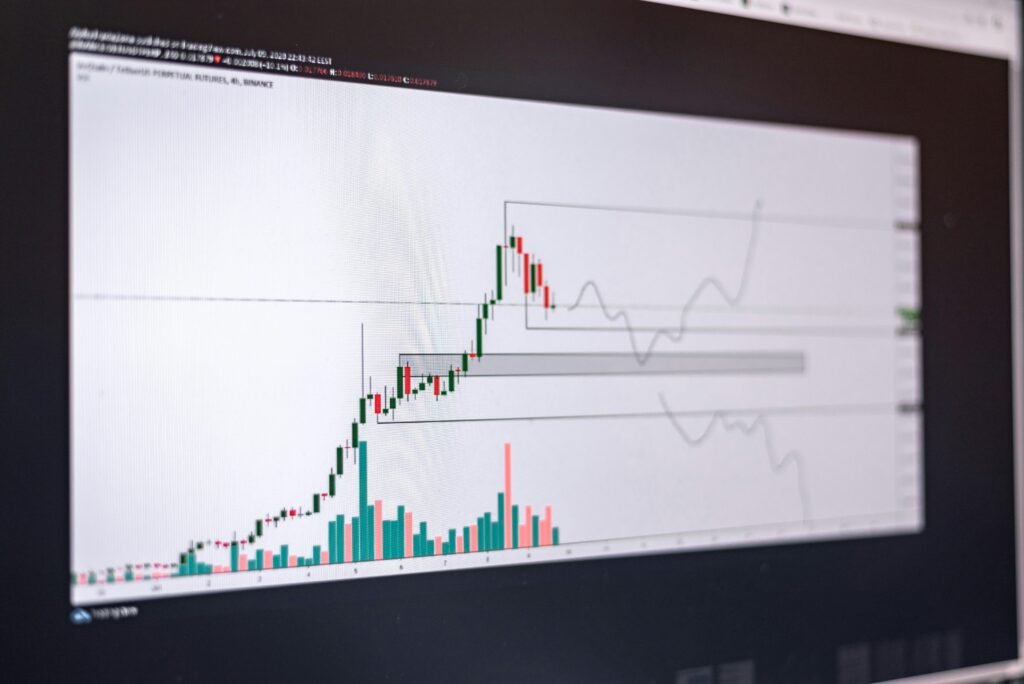
Looking ahead gets hard when today’s results scream louder than tomorrow’s plans. Investments built to compound over a decade get judged after a single season — and abandoned before they can work.
Overconfidence After Wins

One win can make someone too sure of themselves. After that, bigger chances get taken — risks that feel normal in the moment but would have seemed reckless before the lucky streak.
Neglecting Rebalancing
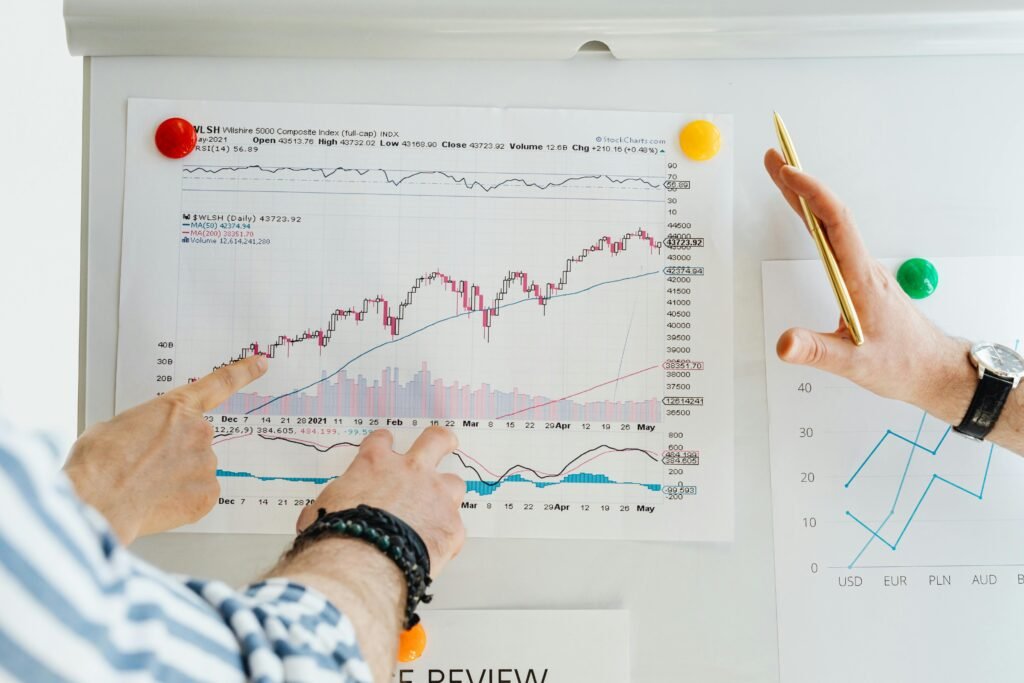
When prices move, investment mixes drift. Left alone, some holdings slowly take over the portfolio. Rebalancing now and then pulls things back in line with the original plan.
Busy Work Isn’t Moving Forward

Jumping in and out of trades feels productive. Yet sitting still usually pays better over time than rushing to adjust — most of the gains come from time in the market, not timing it.
The Quiet Discipline

Strong portfolios rarely depend on bold gambles. Sticking to a plan matters more than chasing fresh thrills, especially when staying calm. What counts grows quietly — focus shapes results more than noise ever could.
