
The transition from checkbook balancing to app usage shows how digital banking has transformed modern financial management. People use these apps to check their paycheck status, but the advanced algorithms work behind the scenes to perform additional functions. The tools use your collected data to provide a financial mirror which shows you spending patterns that you have been unknowingly overlooking.
The “Ghost” Subscription Trap

Many of us signed up for a streaming service or a gym membership years ago and forgot to cancel. The financial applications detect your automatic payments to identify ghost subscriptions. The complete list shows that you are wasting hundreds of dollars every year for services which you do not use anymore.
“Lifestyle Creep” Identification
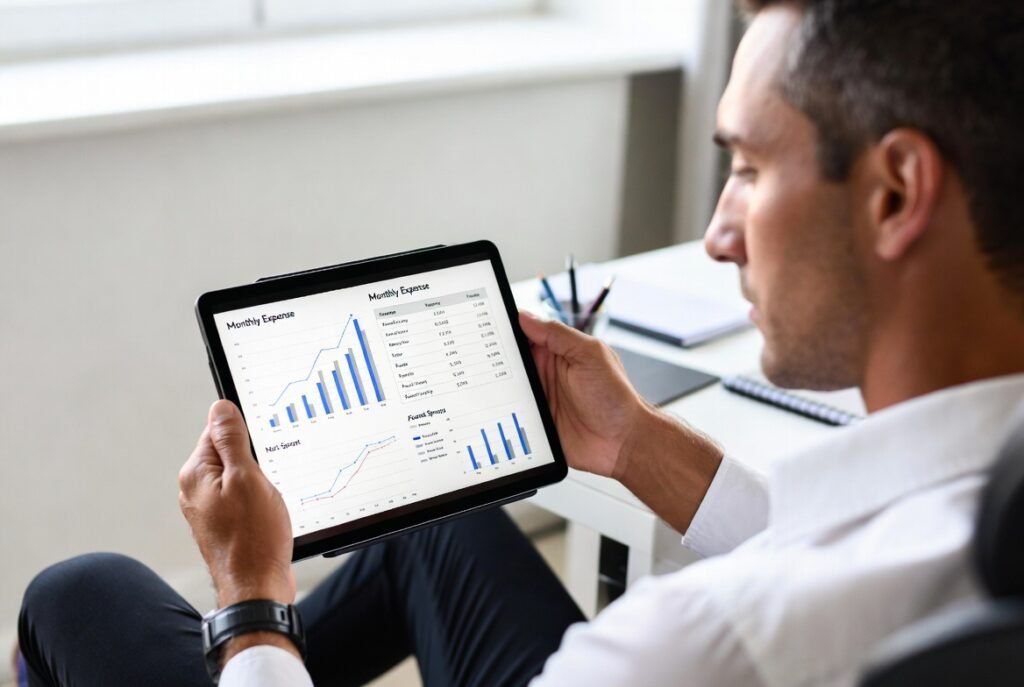
People tend to increase their spending on minor luxury items when their income from work increases. The applications provide monthly spending comparisons which demonstrate your increased discretionary spending for each month. Your income increases are being consumed by your improved dining choices and your increased shopping frequency.
The True Cost of Convenience
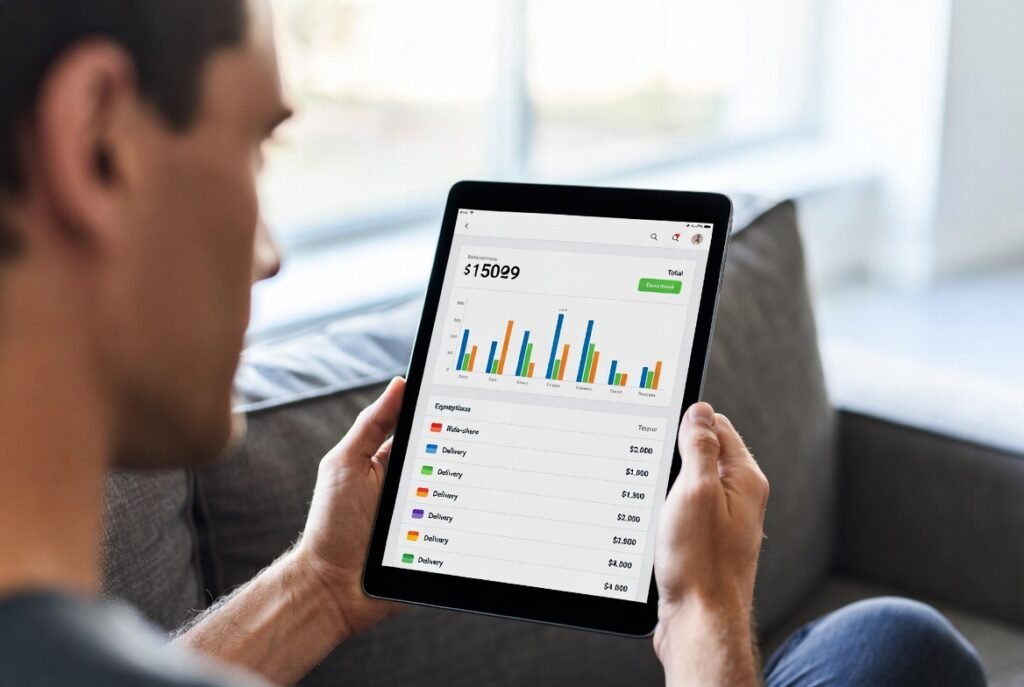
Food delivery apps and ride-sharing services operate without any obstacles for users. The financial applications categorize these expenses while displaying a monthly total amount spent. The four-digit amount spent on takeout food becomes a wake-up call because the small $20 orders actually create a significant financial loss.
Overlooked Bank Fees

Many banks charge small monthly maintenance or “low balance” fees that are easy to miss on a long statement. The applications display which fees you have to pay because your bank needs to keep your account open to manage your funds.
Inconsistent Savings Patterns
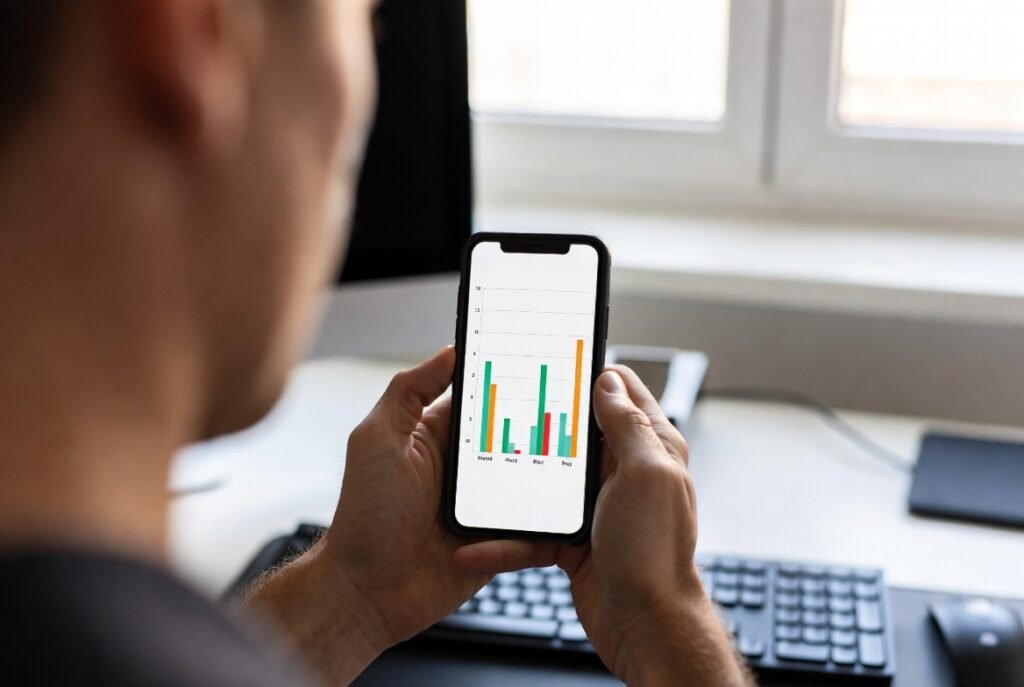
We often feel like we are “good at saving” but apps provide the hard data. You can see months when you did not save anything which helps you understand your savings pattern as irregular instead of consistent automated savings.
The “Category” Shock
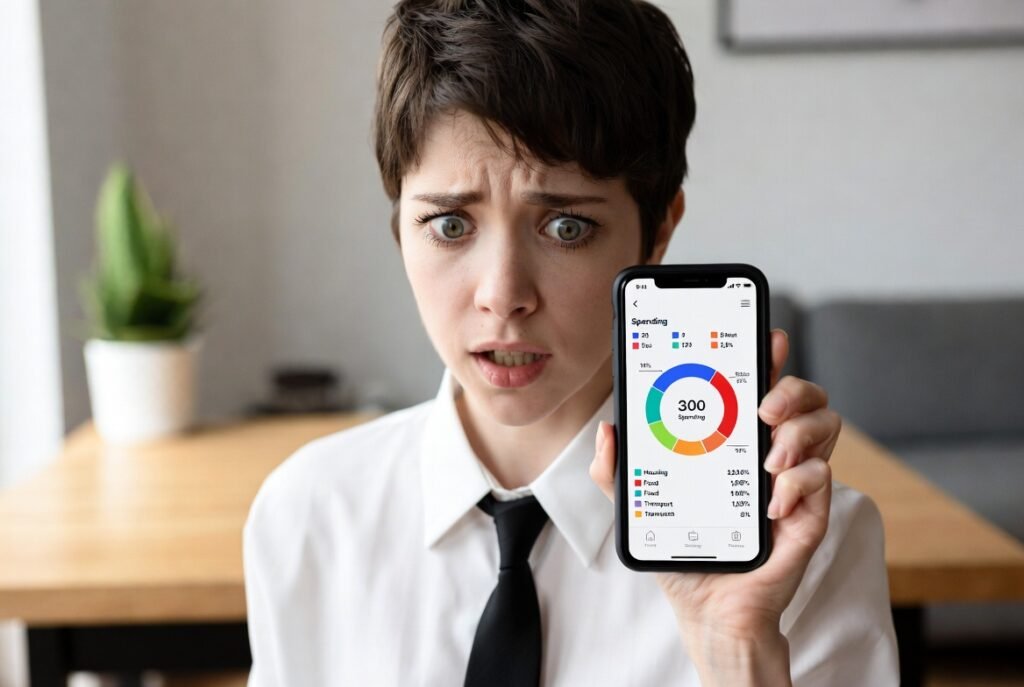
You might think you spend $400 a month on groceries, but apps pull every transaction into categories. The actual food expenses are double what you predicted because the system tracks your grocery trips and convenience store visits.
Late Fee Accumulation
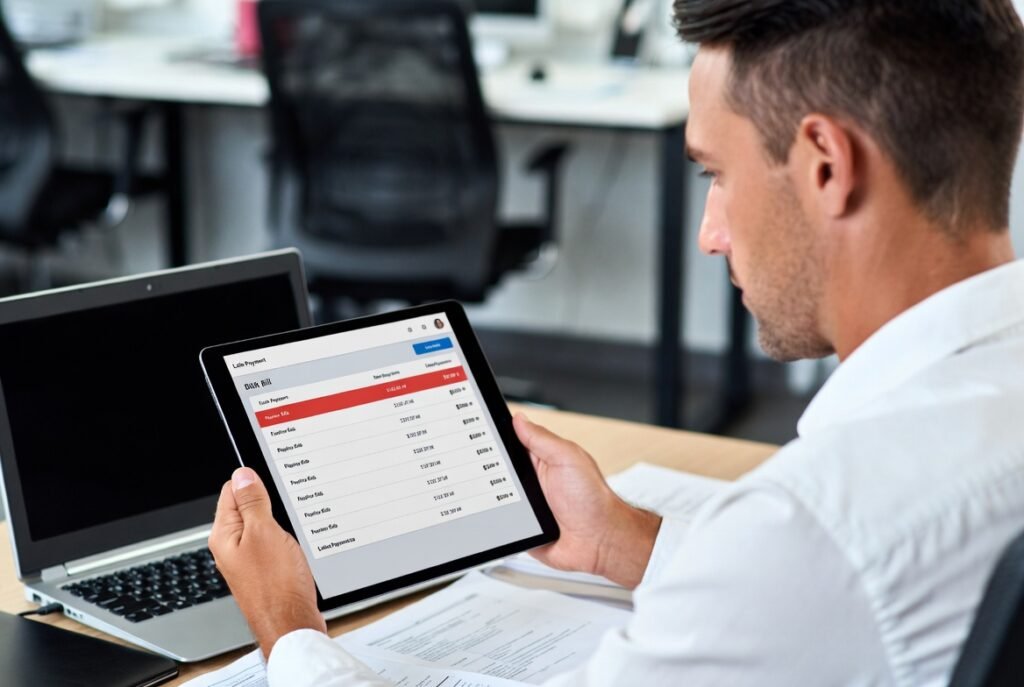
Bill-tracking applications display your record of delayed payments. The total late fees paid this year section shows that your disorganization results in credit card companies charging you additional fees.
Underestimating “Small” Daily Habits
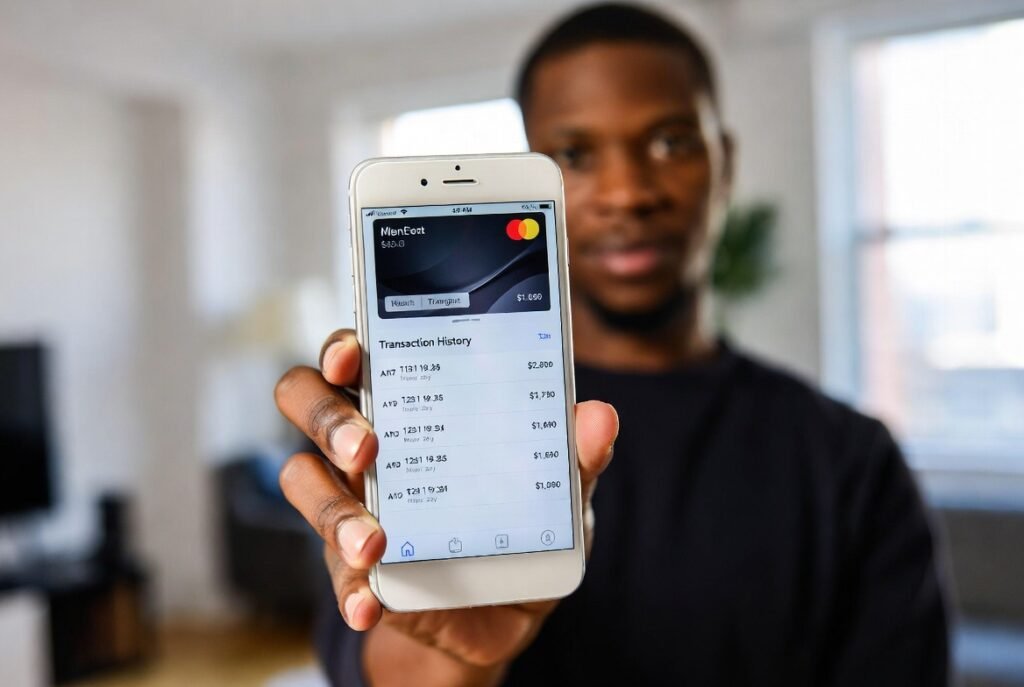
A $6 coffee or a $4 snack seems insignificant at the moment. The spending tracking feature of applications demonstrates that these tiny purchases can total between 15% and 20% of your complete monthly earnings.
High-Interest Debt Drag
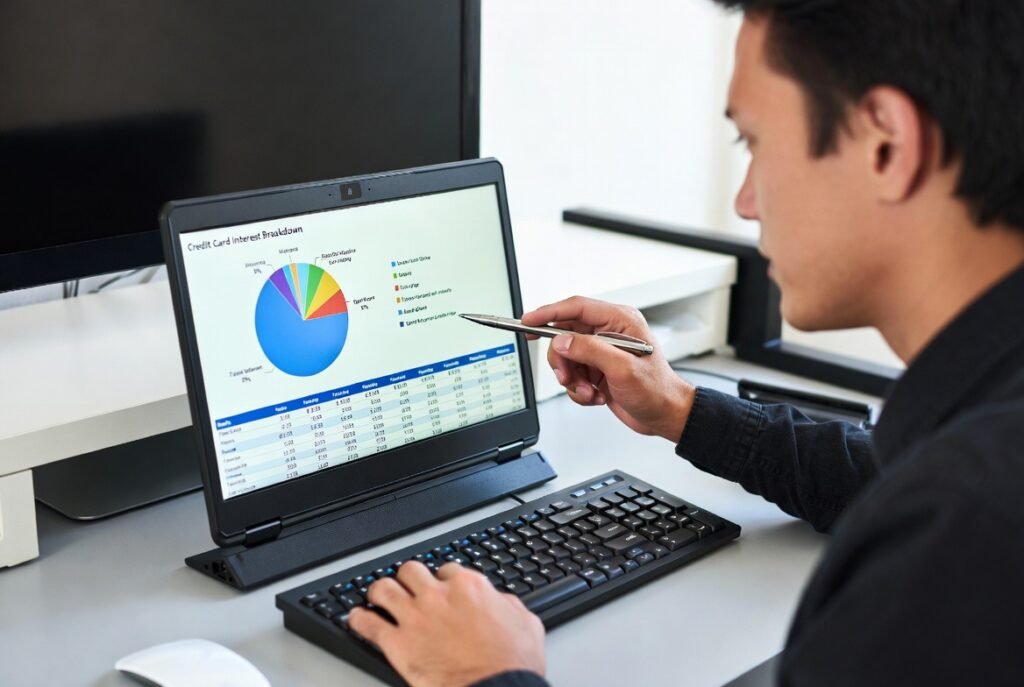
Many applications determine how much debt costs you. The system displays your monthly credit card payment distribution between interest costs and balance reduction. The knowledge that you lose $80 of your $100 payment to interest becomes a strong motivation to clear your debts more quickly.
The “Impulse Buy” Timeline
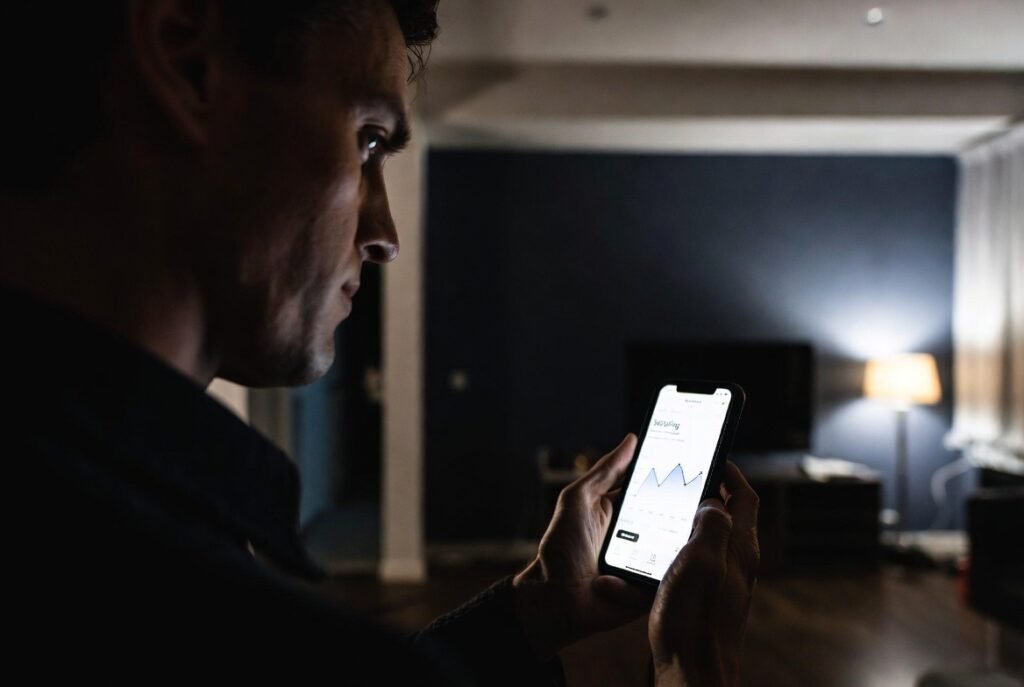
Advanced apps show when you spend. Your most expensive purchases that you later regret tend to happen during Friday night hours or midweek work decline periods. People typically spend money when they deal with stress or experience boredom.
