
The economic conditions of 2026 stay uncertain but US startups from one particular group experience successful business operations. The “winners” now practice new strategies which differ from their previous “growth at all costs” approach that dominated the last ten years.
The Pivot to “Default Alive”

Startups among previous times spent money freely to achieve quick growth. Today’s successful companies have adopted “default alive” status which requires them to pursue profitability from the earliest operational stage. The company achieves financial independence through its budgeting system which does not depend on upcoming funding rounds.
Solving “Must-Have” Problems

Startups that sell “nice-to-have” luxury services are struggling. The winning companies dedicate their resources to solving “must-have” problems which include cybersecurity and supply chain logistics and energy efficiency. When a product saves a customer more money than it costs, it becomes recession-proof.
Hyper-Efficiency with AI

Successful startups use Artificial Intelligence to achieve greater productivity with fewer resources. The company depends on AI technology to run its customer service and marketing and coding functions instead of hiring substantial workforces. Their organization maintains low “burn rate” expenses which enables them to compete against larger companies.
The “Lean Team” Philosophy

The days of over-hiring are over. Winning startups are staying small and nimble. The company maintains minimal staff levels which enables fast operational switching whenever market conditions change.
Prioritizing Unit Economics

A “unit” represents one complete sale of either a customer or product. A startup that loses money on its sales cannot achieve business expansion through increased sales volume. Every transaction today’s winners conduct must generate profit from the very first moment of business operations.
Focus on Domestic Manufacturing
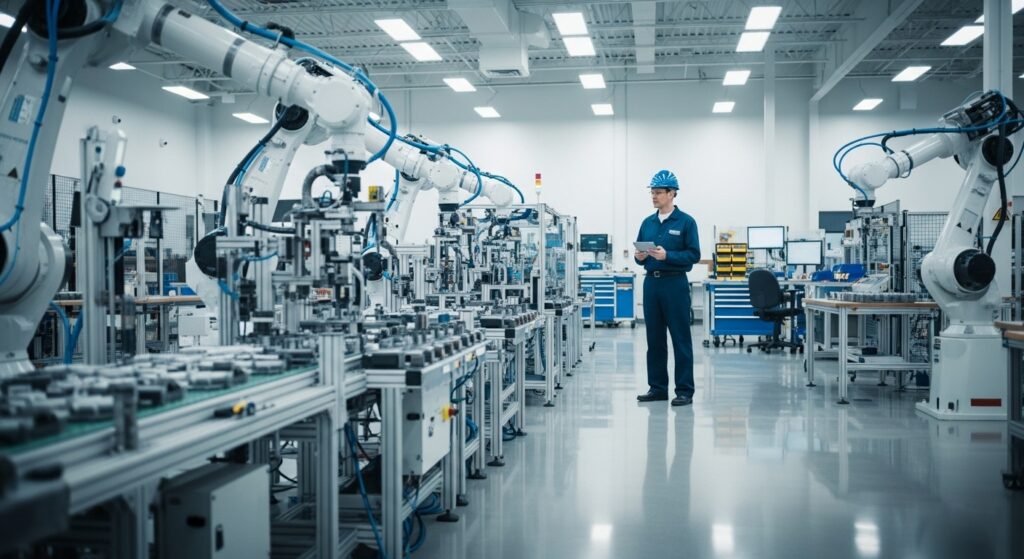
The unreliable nature of global shipping has enabled multiple US startups to achieve victory by establishing production facilities within the United States. “Onshoring” enables better product delivery times while eliminating the need to address international trade conflict obstacles.
Mastering Customer Retention

The cost of keeping an existing customer is five times lower than the expense of acquiring a new customer. Winning startups are obsessing over “churn”—the rate at which people quit. The company achieves steady revenue growth through its exceptional service which creates loyal customer relationships.
Attracting “Refugee” Talent

Technology firms are reducing their workforce through mass layoffs which creates job openings for elite engineers and designers that startups can now employ at lower costs. The talent acquisition system enables startups to access top-tier professionals who will enhance their organizational performance.
Creative Financing

The winners choose non-dilutive funding options which include revenue-based financing and government grants for green energy as alternatives to traditional bank loans which charge high interest rates. The funding option enables business growth without requiring the company to transfer additional ownership to its investors.
Adapting to Remote-First Savings

Startups achieve major financial savings by ending their use of costly Silicon Valley and New York headquarters. Startups utilize their financial resources to recruit top talent who will work anywhere across the United States.
