
As the year 2025 comes to an end, the price of gold is almost at its all-time high, and the question is coming up more often. Is it the right moment to purchase gold in its physical form? Inflation is one of the main reasons for such doubts; the market is very unstable, and there are also many uncertainties around the globe. The gold bars and coins are back in discussions for everyday use, not only among professional investors but even people who have just started investing. The thought of possessing something that is real and not related to banks or stock market fluctuations is very tempting. If you have been thinking about getting gold but don’t know how to start, knowing these 9 major points will not only save you from making common errors but also give you a better chance at making the right purchase and be confident right from the start.
Why Gold Is Shining Bright Right Now

Gold is currently shining the most in its entire history. The price of gold has reached record levels in the year 2025, exceeding $4,300 per ounce due to rising concerns over inflation and unrest in the world. It is regarded as a traditional safe investment – during the times of stock market fall or decreased currency value, gold usually remains the same.
The Appeal of Physical Gold Over Paper Options

Owning actual bars or coins means you have tangible assets with no counterparty risk – no relying on banks or funds. In uncertain times, that real ownership feels reassuring, and physical gold can be easier to pass down or use in emergencies.
Bars VS Coins: What’s Best for Beginners
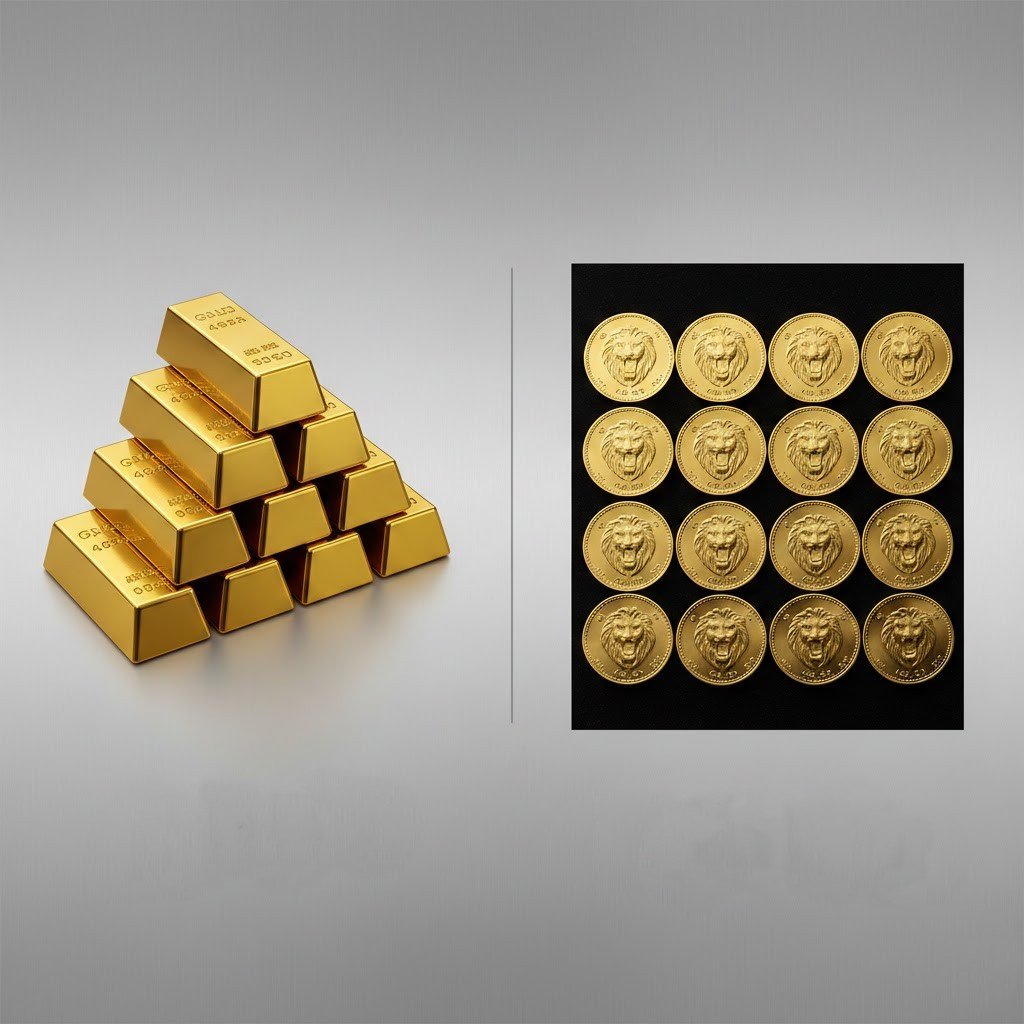
Gold bars usually offer more pure gold for your money with lower premiums, ideal for bulk buying. Coins like American Eagles or Canadian Maple Leafs are more liquid, divisible, and often exempt from certain taxes – great for starting small or selling portions later.
Current Prices Are High, But That’s Normal for Gold

As of December 2025, spot gold is around $4,300–$4,350 an ounce. While it might feel pricey, experts see room for more growth due to central bank buying and de-dollarization trends. Don’t wait for a dip; timing the market is tough.
Start Small and Dollar-Cost Average

Day one is not the time to spend all your money. Simply invest a small amount regularly, for instance monthly, no matter the price variations. This spreads the average cost over time and makes it less stressful for you as you no longer have to try to buy at the right time.
Beware of Premiums and Hidden Fees

The total cost in physical gold would include the fabrication, shipping, and dealer markup, which is usually 3-10% for bars and even higher for coins, altogether above the spot price. To determine the best deal, compare offers from different dealers, and keep in mind that when you sell back.
Secure Storage Is Crucial

Home safes work for small amounts, but for larger holdings, consider insured bank deposit boxes or professional vaults. Storage costs money and adds risk – theft or loss isn’t covered by standard insurance, so plan ahead.
Understand Taxes and Liquidity

Government tax gold in physical form as collectibles (up to 28% for the long-term), but some coins can be considered tax-wise. Gold has the highest liquidity worldwide, but quick selling can lead to lower prices – so treat gold as a long-term investment and not as a source of quick cash.
Diversify: Gold Should Be 5-10% of Your Portfolio

Gold protects wealth but doesn’t grow like stocks. Experts recommend limiting it to a small slice of your investments for balance. Combine with ETFs if you want easier exposure without the hassles of physical ownership.
