
Most individuals have difficulties saving money, not because they have too low incomes, but because they use their income on expenditure on activities that have little value in the long-term perspective. Minor and frequent spending is something not noticeable but gradually corrosive to financial security. Savings and reduction of stress, as well as financial planning, may be enhanced through identifying and minimising unnecessary spending.
Unused Subscriptions
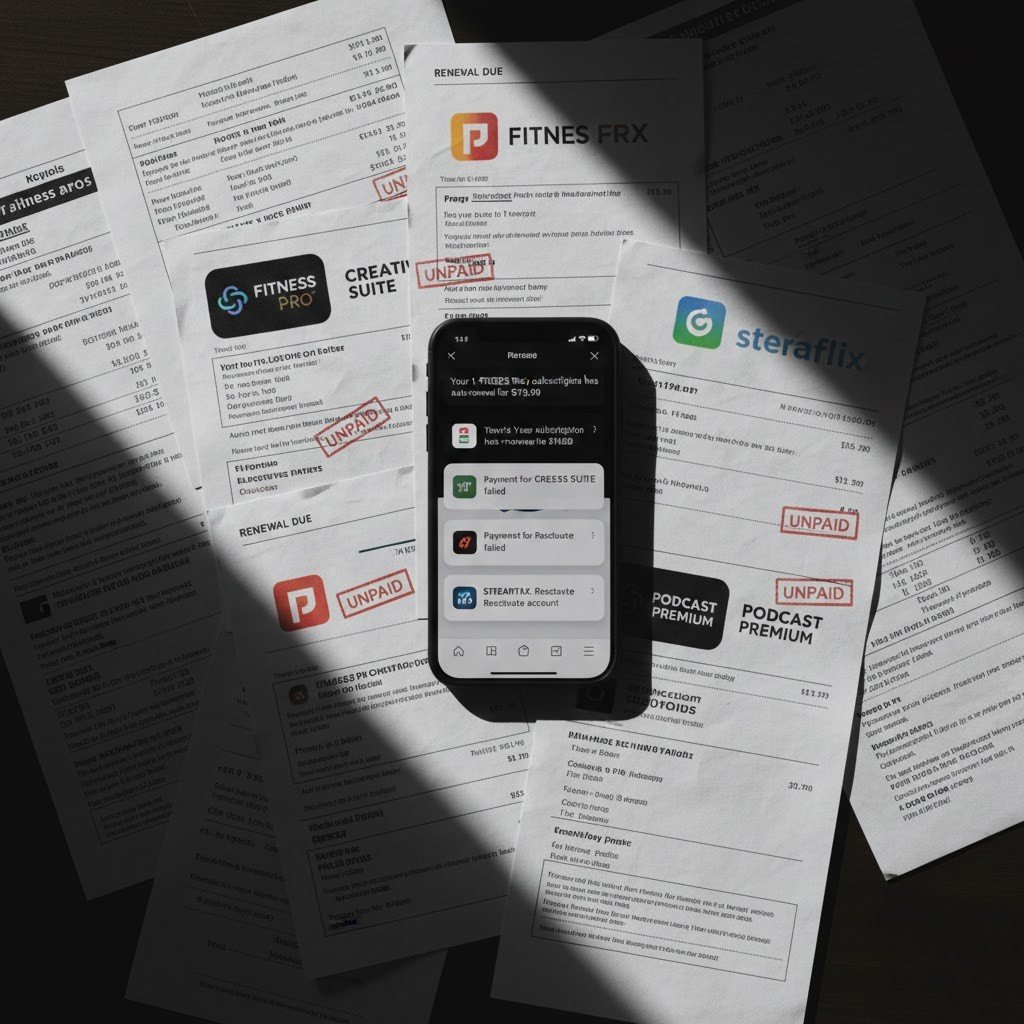
A lot of individuals are subscribing to services they do not utilise on a monthly basis. Streaming services, apps and online tools have a tendency to keep charging automatically. These little charges pay off in the long run. Subscriptions should be reviewed on a regular basis to determine what is unnecessary.
Impulse Purchases

Impulse buying is something that can result in regrets. Impulse purchases are typically capable of giving instant gratification but negligible value in the long run. The sales or feelings tend to determine these purchases and not need. Getting used to waiting to purchase a product will decrease unnecessary spending and enhance financial discipline in general.
Brand-Name Products

Brand-name products are mainly more expensive, and they do not necessarily have high quality. Numerous generic or brand-store products are as good as one another. Spending more money on labels is an unnecessary expenditure, as it will not help.
Daily Takeaway Coffee

The purchase of coffee in cafes every day might not look much when one is a beginner, but it can get costly over time. Making coffee at home is much cheaper and saves money in terms of yearly expenditure. The switch does not mean sacrificing comfort, but promotes smarter expenditure trends and increased financial consciousness.
Excessive Dining Out

Dining out escalates monthly spending very fast. Home food tends to be significantly cheaper than restaurant food. Even though infrequent restaurant visits are good fun, it is important to put restrictions on them in order to regulate expenses.
Unnecessary Bank Fees

Most individuals end up paying fees to banks that they are not even required to get. Account fees, payment arrears or overdrafts are avoidable. Checking bank statements and selecting appropriate account options are other ways of minimising unwarranted financial loss.
Extended Warranties

Long warranties are very expensive and are not utilised very frequently. Most goods already have coverage by the manufacturers. It is not always reasonable to pay more money to get more protection. Knowing about the reliability and warranty terms of the product is useful in preventing unnecessary expenditure by covering the product which may not be required at all.
Latest Tech Upgrades

The cost of upgrading devices is usually high and unnecessary. Numerous devices last a long time. Pursuing new models puts a strain on the wallet without much change in everyday life. Postponing upgrades is a cost-saving measure and contributes towards the smarter utilisation of technology.
Unused Gym Memberships

They are easily paid gym memberships that are not utilised frequently. When frequent visits are not taking place, then the expenditure is an unnecessary amount of money. It can be cheaper to explore workouts at home or outdoors.
Late Fees and Penalties
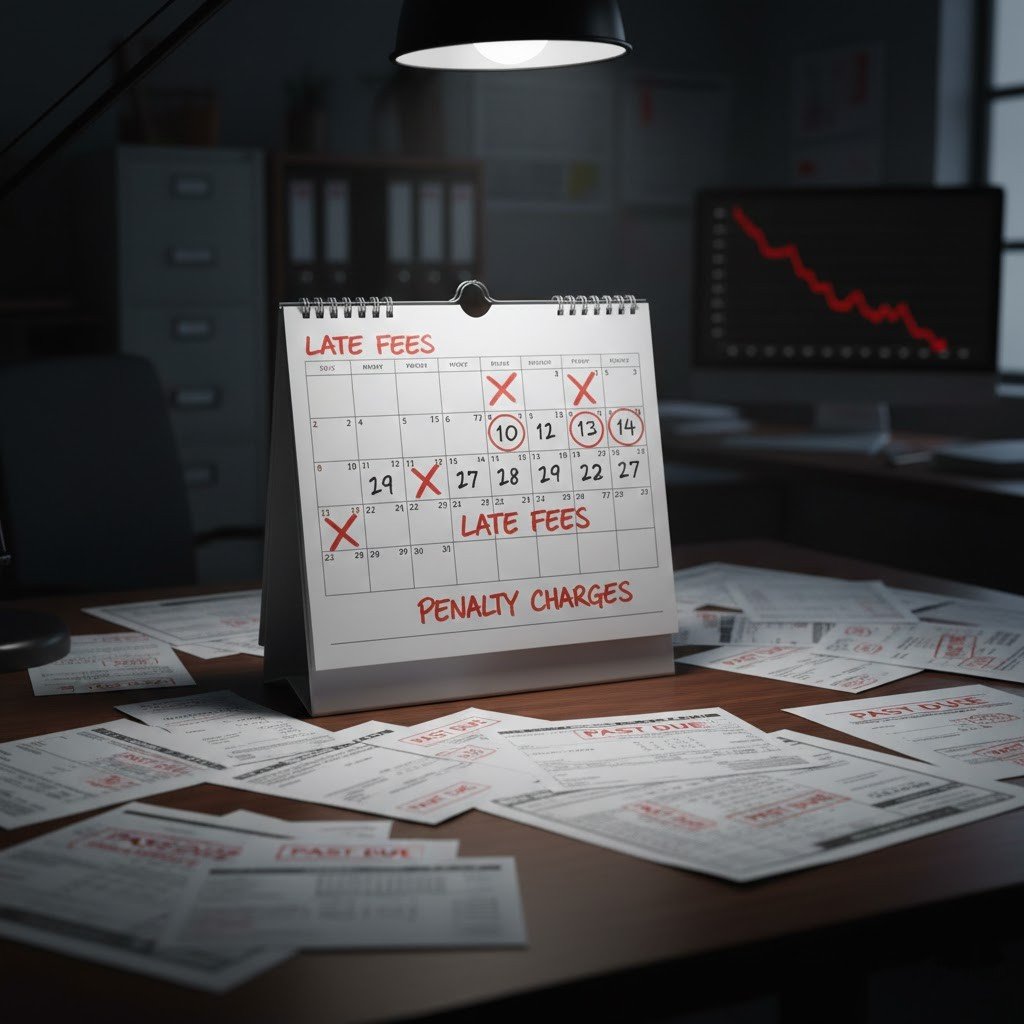
Bill payment delays would result in unnecessary charges. These fees are of no use and add to the strain on money. Reminders or autopayments can be used to avoid late fees. Deadlines are to be managed effectively to ensure that finances are kept in order and safe.
Exorbitantly priced Comfort Food

Basic ingredients are cheaper than pre-packaged and convenience foods. Although it saves on time, it would make food costs extremely high. A balance between convenience and saving is prepared meals. The practice enhances budgeting and promotes healthy eating.
Redundant Insurance Premises

Insuring things of low replaceable value is a waste of money. Surveying insurance coverage will make sure coverage is according to the real requirements. Eliminating unwanted add-ons will reduce premiums and maintain financial planning without adding risk.
Purchasing without making Comparisons

The inability to make comparisons in prices can result in excess. Various vendors of the same product sell it at different prices. A comparison break allows one to get superior deals. This behaviour promotes intelligent buying behaviour and enhances financial discipline.
