
Over the past few years, the necessity of a traditional office setup has been challenged by a number of startups. The increasing cost, innovation in preference of work, and the quick digital expansion have compelled young companies to consider more flexible options. The contemporary startups are less concerned about the physical office space and more about productivity, employee welfare, and scalability.
Preference for Remote Work
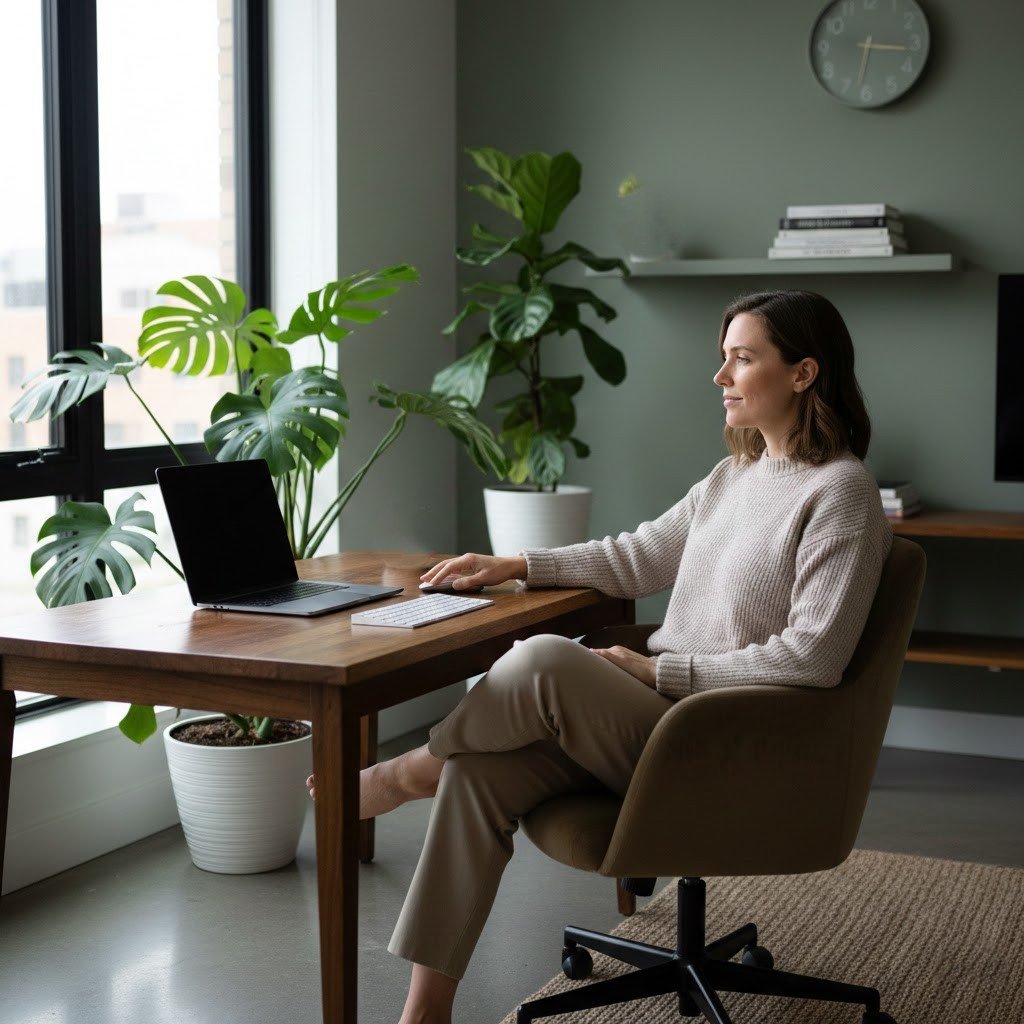
Remote or hybrid working is becoming very popular among members of staff. Startups are aware that work-life balance and job satisfaction increase with flexible work. Such flexibility contributes to attracting professionals at startups who are more interested in freedom and not fixed office hours.
Access to Global Talent

Conventional offices restrict recruitment to certain places. Startups can also hire talent anywhere on earth, without any office restrictions. This leads to the availability of various competencies, experience, and outlook. Global recruiting also assists startups in getting expert specialists who might not be located in the area.
Greater Employee Productivity
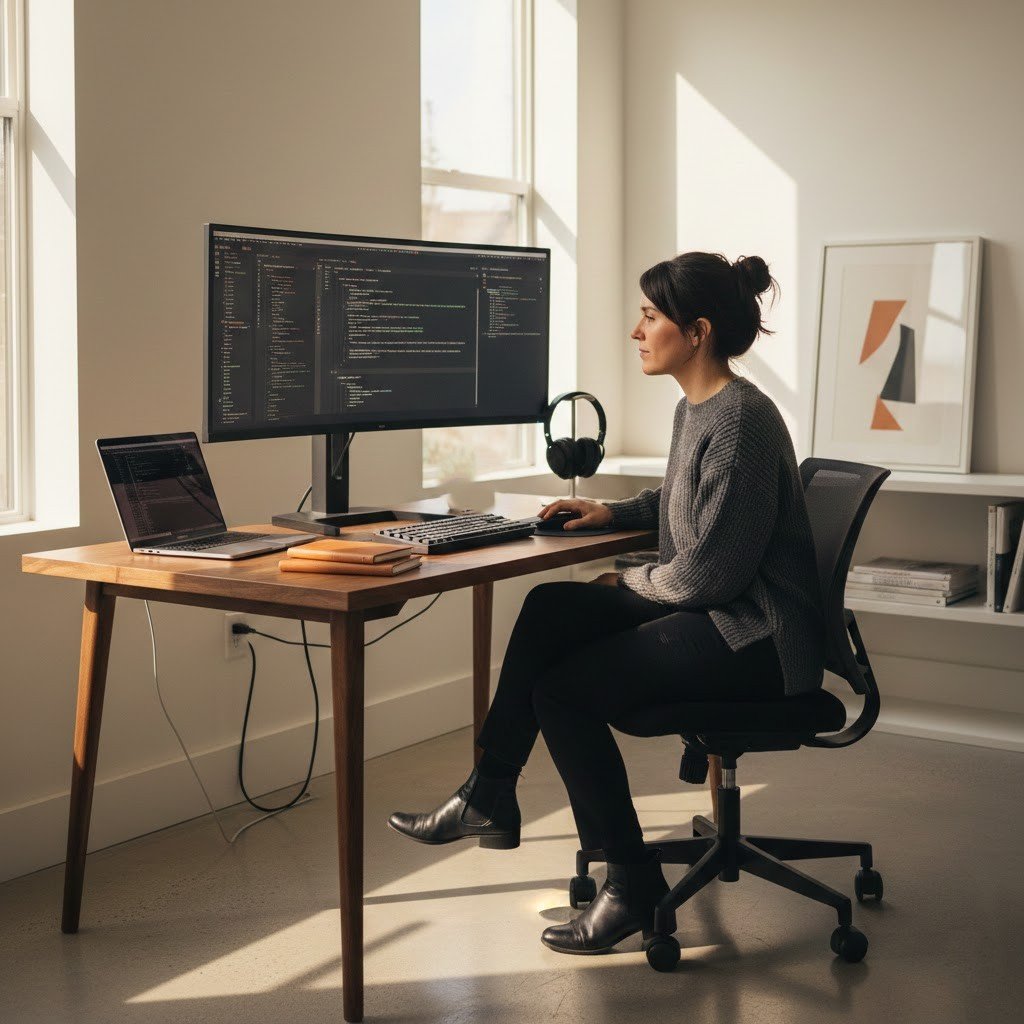
A large percentage of startups have realised that employees perform better without being confined to the office. Less distraction, flexible working hours, and a custom-designed working environment lead to increased attention. The employees are able to organise their day around the optimal levels of energy, thereby resulting in more quality work.
Reduced Operational Burden
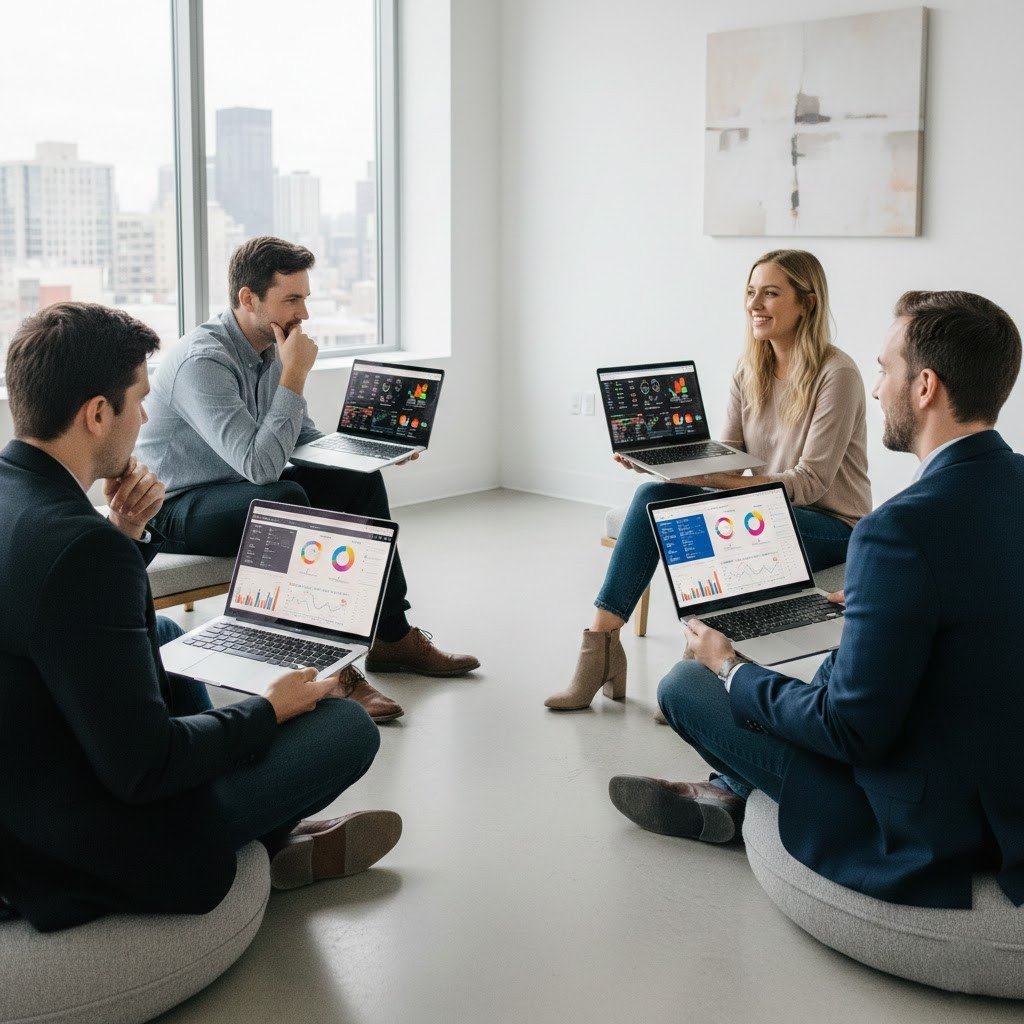
Operating an office is an administrative task of maintenance, security, cleaning and utilities. Such duties are time and resource-consuming. Startups simplify the operation by shunning conventional offices. This enables founders and managers to pay more attention to strategy, innovation and customer needs, as opposed to the management’s day-to-day office chores.
Changing Work Culture

The culture of startups has placed trust, autonomy and results. The traditional offices tend to portray inflexible arrangements and set timetables. The current startups are more willing to work in loose environments with freedom and autonomy.
Better Employee Well-Being
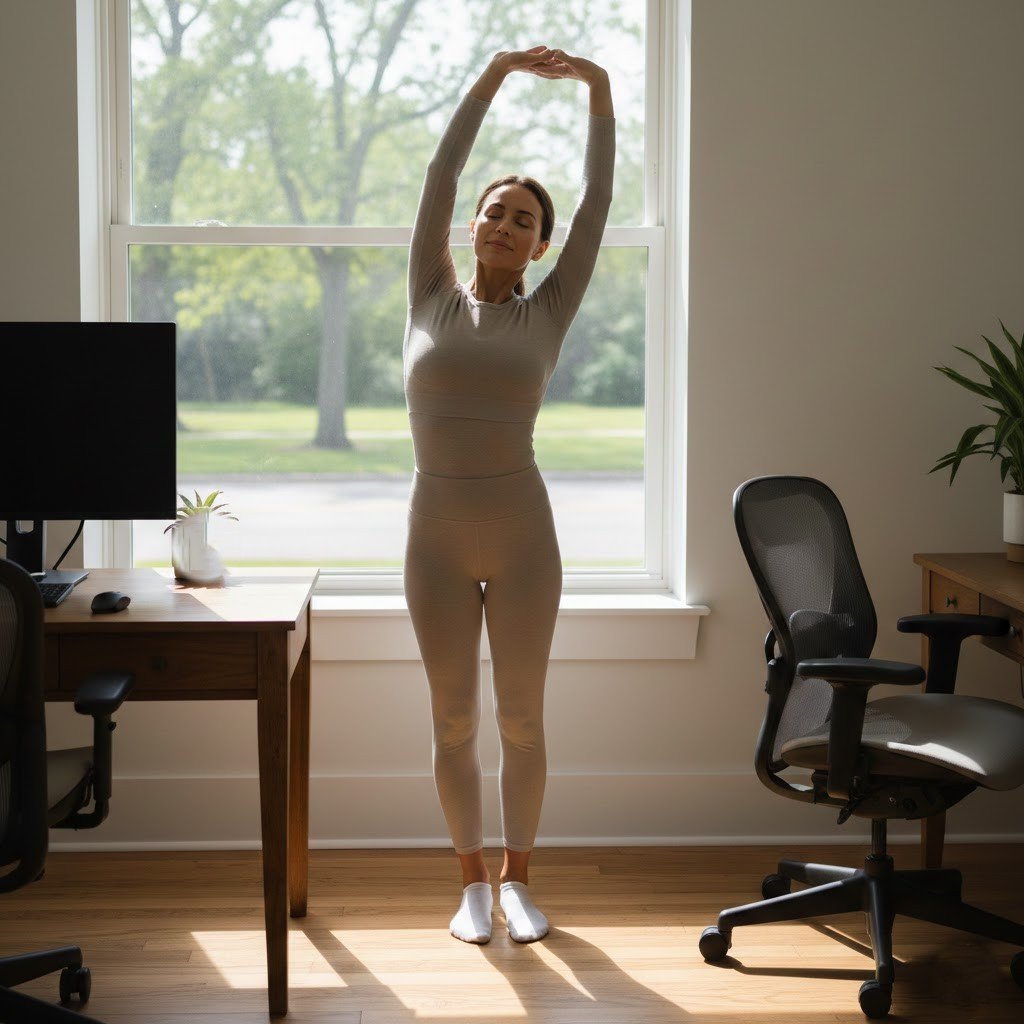
Commuting to work and start and finish times can be stressful and exhausting. Flexible work models enhance the well-being of employees by increasing time management. Employees are able to balance personal obligations and professional work more easily.
Environmental Benefits
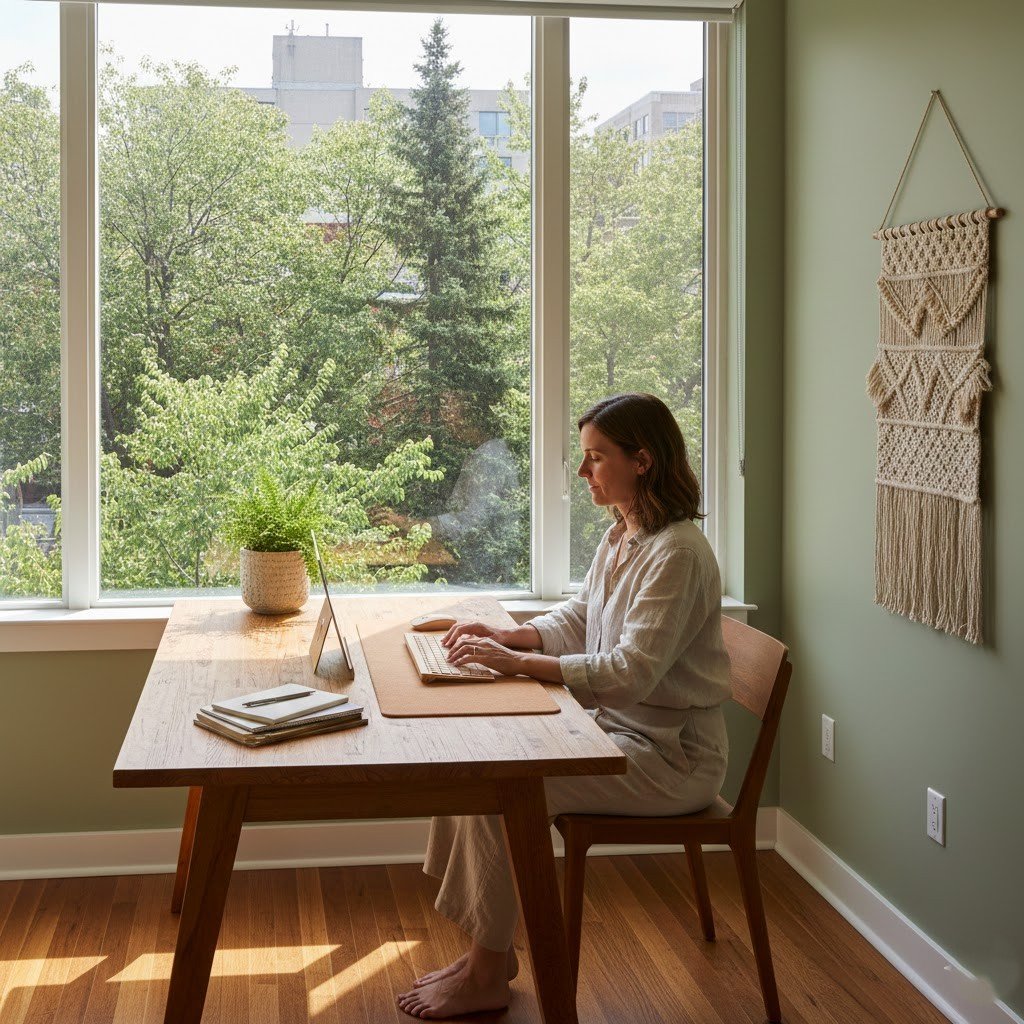
Conventional offices lead to increased energy consumption and emissions from commuting daily. Startups have a lesser impact on the environment by minimising the reliance on offices. The use of remote work increases carbon reduction through reduced travel and office utility.
Modifying Client Expectations
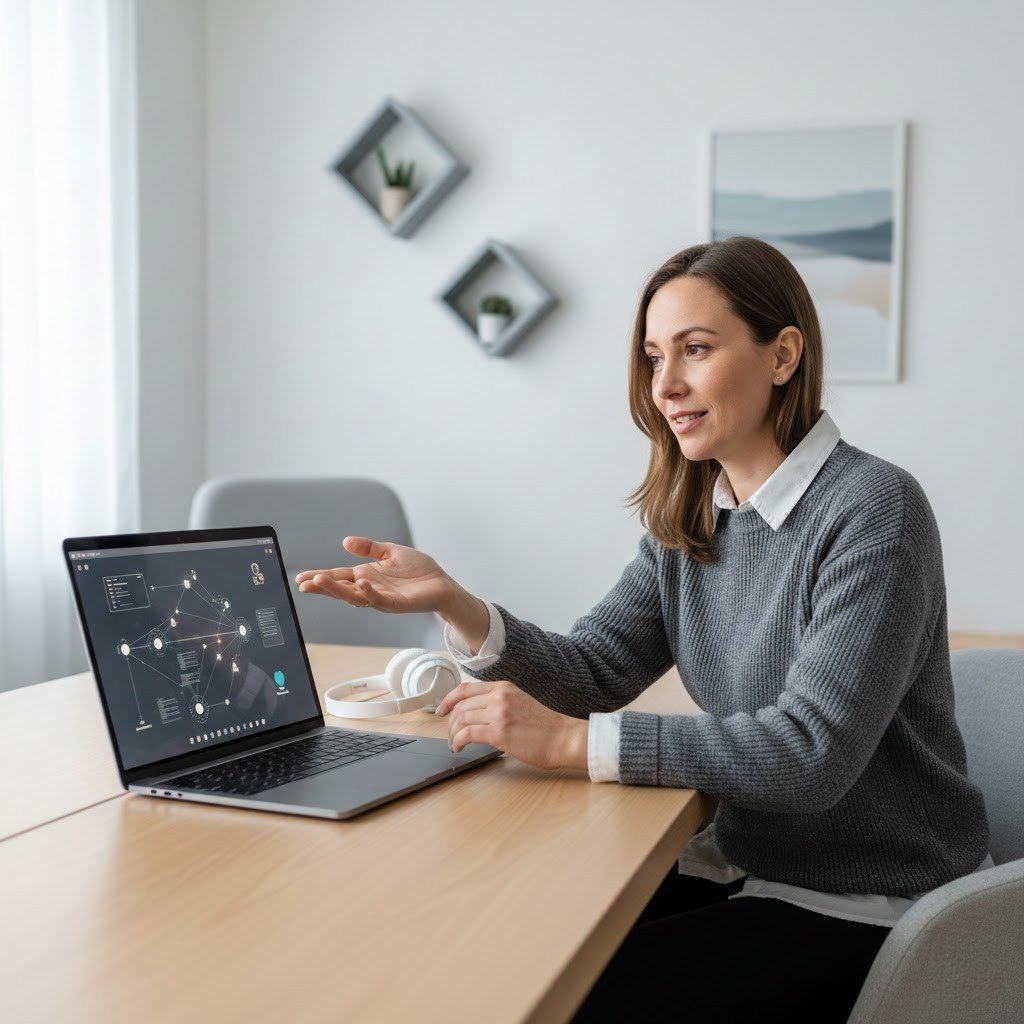
The current clients are concerned with office locations, rather than the quality of services and their outcomes. Start-ups can also create trust based on proper communication, punctuality, and online communication.
Support for Hybrid Models
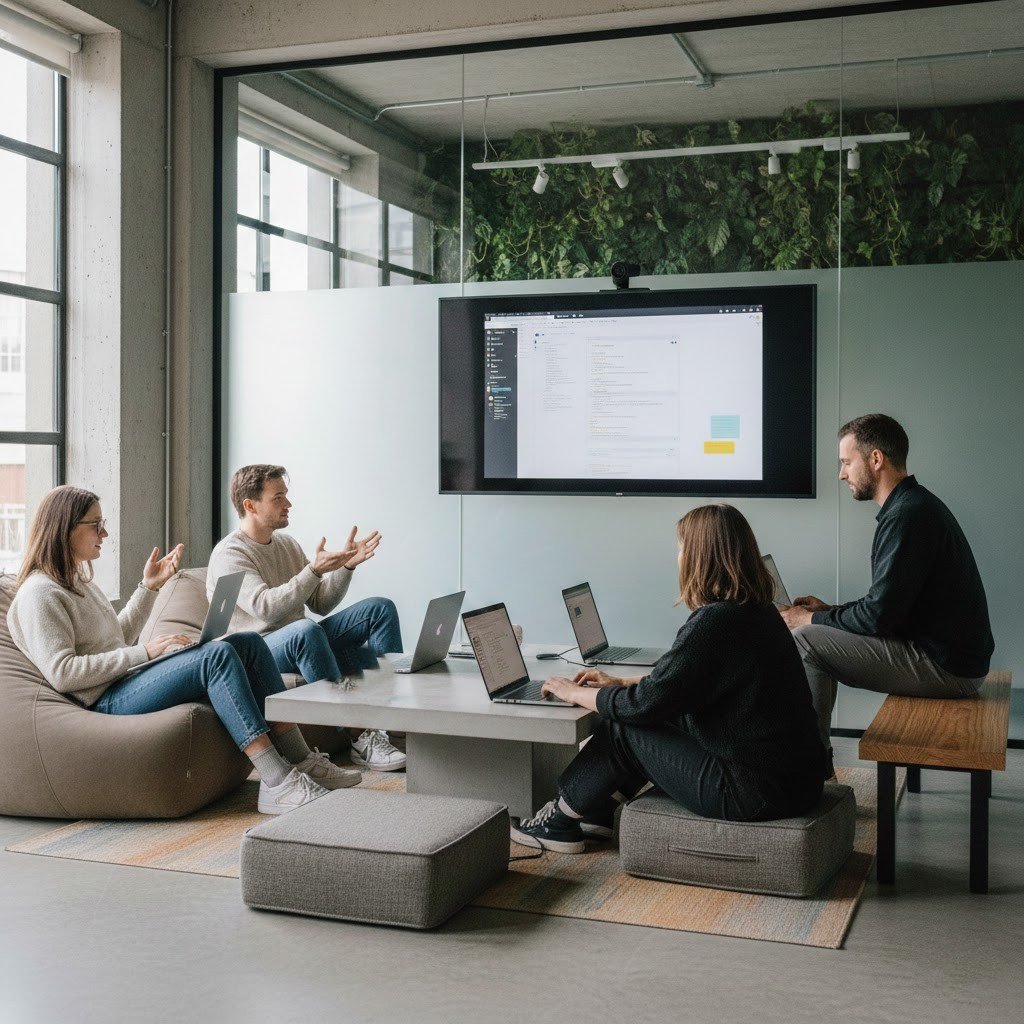
Other startups are taking the hybrid format of working remotely and then meeting physically once in a while. This method eliminates the necessity to have a large office but still provides face-to-face collaboration when it is necessary.
Cost Predictability

Rent is also a factor that may raise office expenses by increasing maintenance costs. Flexible work arrangements will have more predictable costs, including those of software subscriptions and communication devices. The result of this financial stability is better budgeting of startups.
Correspondence to the Contemporary Business Trends

The business environment across the world is evolving towards a digital-first approach. The trends inherently fit in with the startups, which do not use the outdated office models. The adaptable work patterns are an indication of the current efficiency, flexibility and technologically-driven expansion values.
